






What's Happening?
Senate Democrats Alex Padilla and Patty Murray have urged the Trump administration to halt plans for establishing a West Coast emergency oil reserve. The proposal, put forth by Sable Offshore Corp., aims to extend the Strategic Petroleum Reserve (SPR)
to California, addressing supply challenges exacerbated by the ongoing conflict with Iran. The senators argue that the project lacks necessary congressional approval and is driven by political motives rather than genuine security needs. They have requested Energy Secretary Chris Wright to cease all activities related to the reserve until proper legislative processes are followed. The SPR, traditionally located in salt caverns along the Gulf Coast, is currently at its lowest oil levels since 1983. The Democrats emphasize that the Energy Department should focus on reinforcing existing reserves instead of pursuing new, politically motivated projects.
Why It's Important?
The establishment of a West Coast emergency oil reserve has significant implications for U.S. energy policy and national security. California's unique position as a major military hub and its lack of oil pipeline connections to the rest of the country make it vulnerable to supply disruptions. The proposal highlights the ongoing debate over energy independence and the role of federal reserves in mitigating geopolitical risks. Critics argue that the plan could set a precedent for politically influenced energy projects, potentially undermining legislative authority and fiscal responsibility. The outcome of this debate could affect energy prices, supply stability, and the strategic use of national reserves, impacting both the economy and national security.
What's Next?
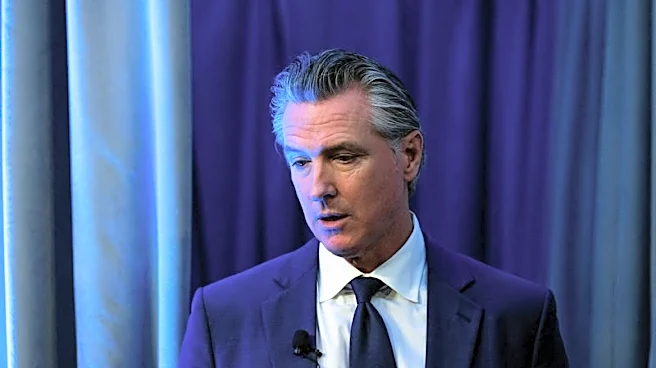
The Trump administration's next steps will likely involve addressing the legal and procedural concerns raised by the Senate Democrats. Energy Secretary Chris Wright may need to provide detailed plans and justifications for the reserve, including correspondence with Sable Offshore Corp. The administration's decision could face further scrutiny from Congress, especially if it proceeds without legislative approval. Additionally, California's state government, led by Governor Gavin Newsom, has already expressed opposition, labeling the move as a political stunt. The ongoing discussions may lead to legislative actions or amendments to existing energy policies, influencing future strategic reserve projects.