








What's Happening?
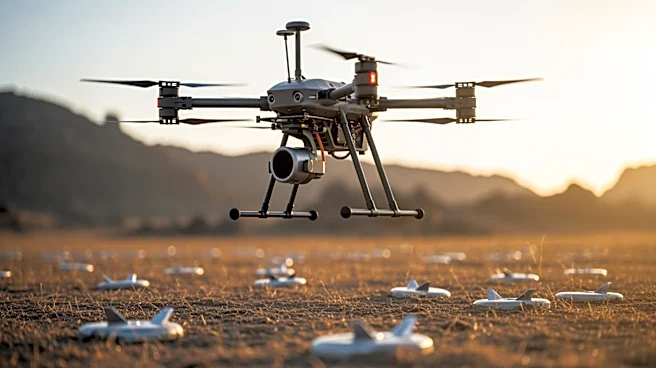
Israeli farms are increasingly turning to robotic pollination technology to maintain agricultural productivity amid heightened regional tensions. The agricultural sector, particularly in areas near the Gaza border, is facing significant challenges due
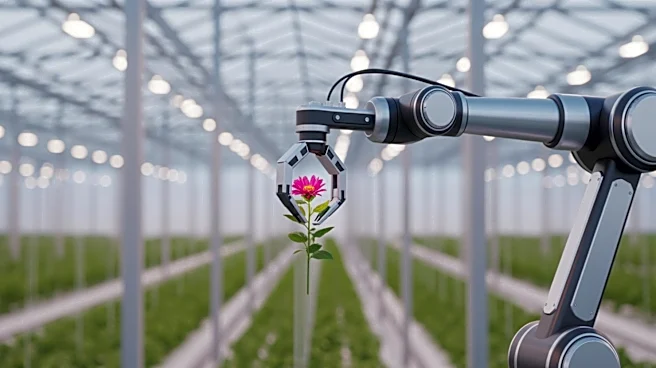
to ongoing conflicts that disrupt traditional farming practices. Farmers are relying on BloomX's AI-guided pollination systems to ensure successful fruit set during the critical spring bloom period. This technology, which mimics natural pollination processes, is being used to stabilize yields and protect future harvests. The adoption of such technology has become essential as labor shortages and restricted field access threaten the viability of traditional pollination methods.
Why It's Important?
The use of robotic pollination technology is crucial for maintaining agricultural output in conflict-affected regions. By ensuring successful pollination, farmers can secure their yields and protect their economic stability. This development highlights the growing importance of technological solutions in agriculture, particularly in areas where traditional methods are compromised by external factors. The ability to maintain consistent and predictable harvests despite disruptions is vital for food security and the livelihoods of those dependent on agriculture. The integration of AI and robotics in farming practices represents a significant shift towards more resilient and adaptable agricultural systems.
What's Next?
As regional tensions persist, the reliance on robotic pollination technology is likely to increase. Farmers may continue to invest in and expand the use of such systems to mitigate the risks associated with labor shortages and restricted access to fields. The success of these technologies could encourage further innovation and adoption of AI-driven solutions in agriculture, potentially transforming the industry. Stakeholders, including agricultural policymakers and technology developers, may focus on enhancing these systems to improve efficiency and accessibility for farmers worldwide.
Beyond the Headlines
The shift towards robotic pollination raises questions about the future of traditional farming practices and the role of technology in agriculture. While these systems offer immediate benefits, there are potential ethical and environmental considerations, such as the impact on natural pollinators and biodiversity. The long-term implications of widespread adoption of such technologies could lead to changes in agricultural labor dynamics and the structure of rural economies. As technology becomes more integrated into farming, there may be a need for new regulations and policies to address these emerging challenges.