







What's Happening?
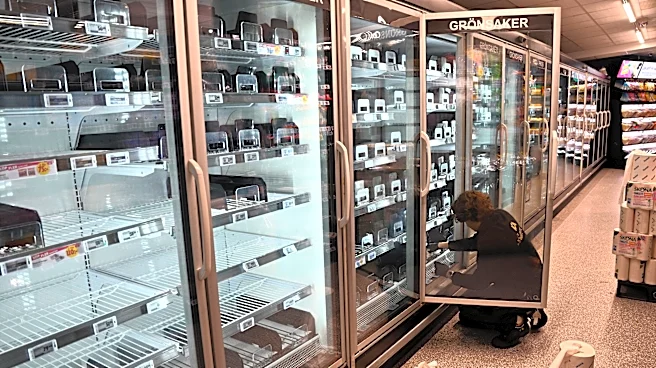
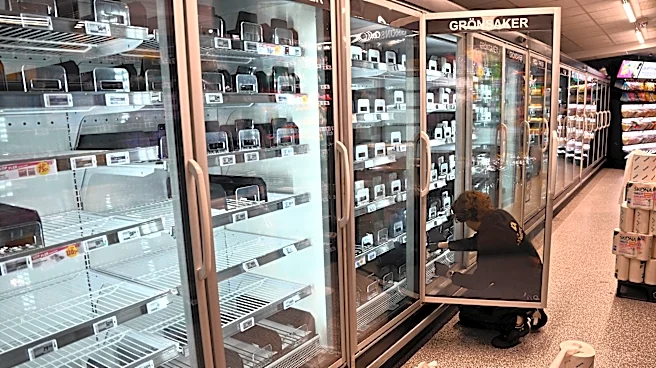
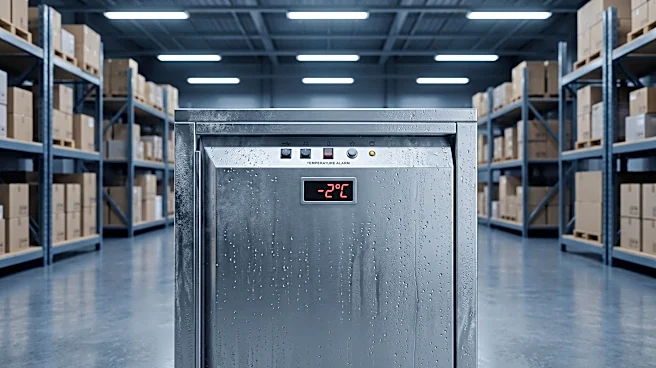
Grocery store chains across at least three European countries have reported unexpected temperature spikes in their refrigerators and freezers, leading to significant food spoilage. This marks the second occurrence of such incidents in less than a month,
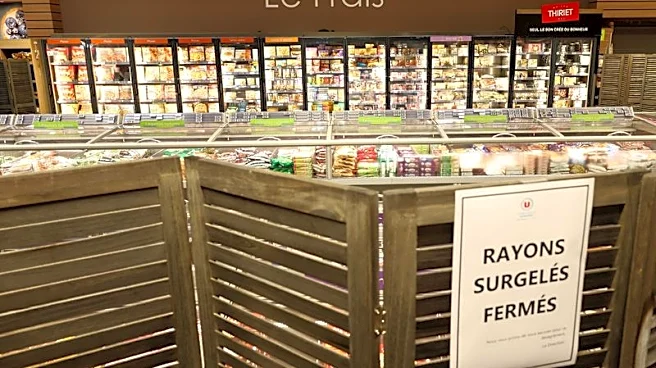
raising concerns about cyberattacks on interconnected infrastructure. Netherlands-based Ahold Delhaize and Belgium's Colruyt reported IT incidents that caused temperatures to soar in dozens of their stores in Belgium and Luxembourg. Similarly, Swedish chains ICA and Coop experienced comparable spikes, with one ICA outlet explicitly blaming a cyberattack. These events follow a previous incident on October 12, where major French retailers, including E. Leclerc, Intermarché, and Cooperative U, were hit by a cyberattack targeting refrigeration systems from Danish manufacturer Danfoss, forcing them to discard large quantities of food. The CEO of Belgian refrigeration company Sabcobel, which supplies systems to Delhaize and other chains, confirmed a cyberattack was responsible for switching fridge and freezer units into defrost mode.
Why It's Important?
These cyberattacks highlight a growing vulnerability in critical infrastructure, particularly within the food supply chain. The incidents demonstrate how digital disruptions can have tangible and immediate consequences, leading to substantial financial losses for businesses due to spoiled inventory and operational downtime. For consumers, such attacks raise concerns about food security and the reliability of essential services. The repeated nature of these incidents suggests a sophisticated and persistent threat, potentially impacting public trust in the safety and availability of food products. The need for increased investment in cybersecurity measures for industrial control systems, especially those vital to public health and safety, becomes paramount. The attacks also underscore the interconnectedness of modern systems, where a single point of failure or vulnerability can cascade across multiple countries and companies.
What's Next?
Authorities in the affected European countries are investigating the incidents, though no group has yet claimed responsibility for the hacks. European Union food and agriculture commissioner Christophe Hansen has emphasized the need for greater attention to food security at all levels, acknowledging the 'exploitation' of vulnerabilities in essential, networked systems as a new 'reality.' Refrigeration companies, like Sabcobel, are working to protect their customers' fridges against these vulnerabilities, with many units requiring physical modifications and significant investment. Businesses are likely to increase their cybersecurity defenses and review their incident response plans. The ongoing investigations will aim to identify the perpetrators and prevent future attacks, potentially leading to new regulations or industry standards for cybersecurity in critical infrastructure sectors.
Beyond the Headlines
The cyberattacks on European grocery store refrigeration systems reveal a deeper, more insidious threat beyond mere financial loss: the potential for weaponizing critical infrastructure. By targeting systems essential for food preservation, attackers can disrupt daily life, create public panic, and undermine societal stability. This type of attack could be seen as a form of economic warfare or state-sponsored sabotage, designed to inflict widespread disruption without direct military engagement. The incidents also expose the ethical dimensions of cyber warfare, where civilian populations become indirect targets. The 'exploitation' of vulnerabilities in essential systems, as noted by Commissioner Hansen, signifies a shift in the landscape of cyber threats, moving beyond data theft to direct physical disruption of vital services. This necessitates a re-evaluation of national security strategies to include robust cyber defense for all critical sectors.