



What's Happening?
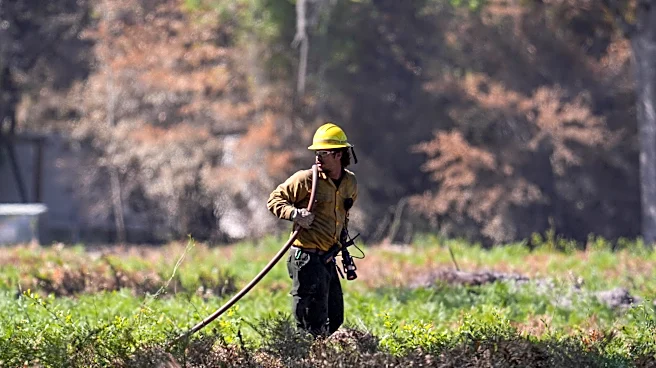
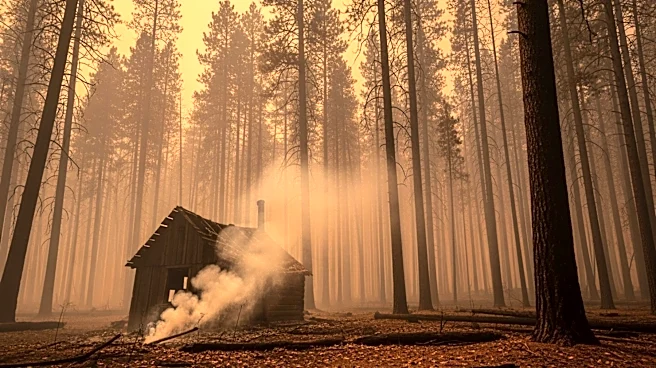
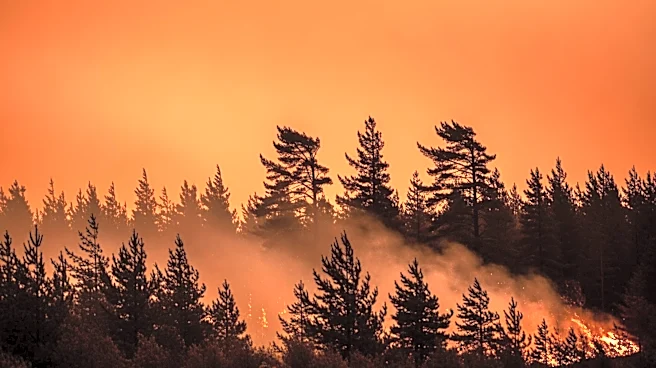
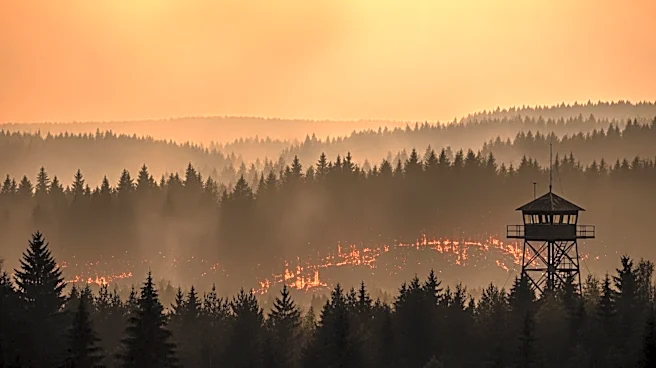
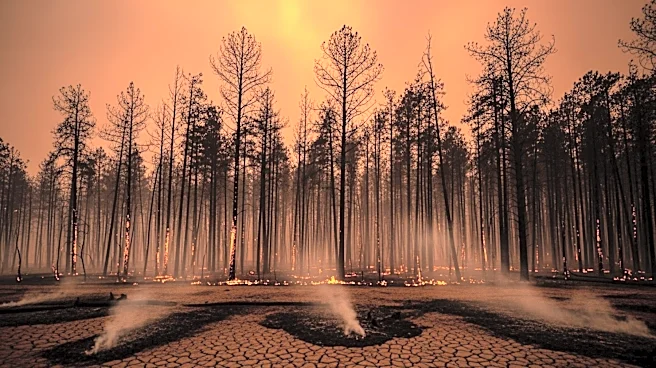
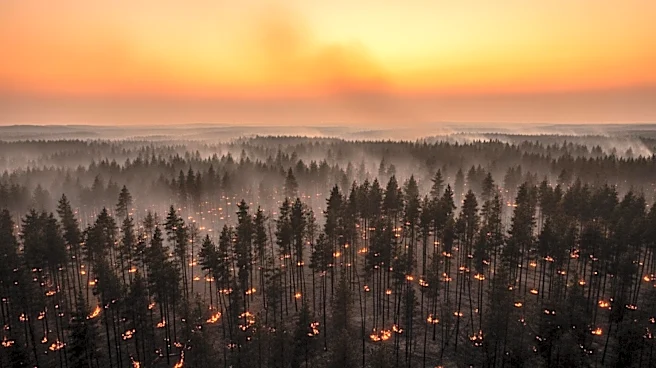
Governor Brian Kemp has declared a state of emergency in 91 counties in Georgia due to two major wildfires that have destroyed over 120 structures and scorched tens of thousands of acres. The Highway 82 and Pineland Road fires are the largest, with the latter
reportedly sparked by a welder's torch and the former by a party balloon. These fires have led to evacuations and the implementation of burn bans in affected areas. Firefighters are actively battling these blazes, which are among dozens ravaging the drought-stricken Southeast, including northern Florida. The fires have caused significant property damage, with the Pineland Road Fire in Clinch County burning over 31,000 acres and the Highway 82 Fire in Brantley County burning about 5,000 acres.
Why It's Important?
The wildfires in Georgia represent a significant environmental and economic challenge, as they threaten homes, infrastructure, and natural resources. The declaration of a state of emergency allows for the mobilization of additional resources, including the National Guard, to assist in firefighting efforts. The fires also highlight the broader issue of climate change and its impact on weather patterns, contributing to drought conditions that exacerbate wildfire risks. The economic impact is substantial, with potential losses in property, agriculture, and tourism. The situation underscores the need for effective disaster management and climate adaptation strategies.
What's Next?
With the state of emergency in place, Georgia's National Guard, including Black Hawk helicopters, will be deployed to assist in firefighting efforts. Authorities are urging residents in affected areas to comply with evacuation orders and curfews to ensure safety. The ongoing drought and heat conditions suggest that the fire risk will remain high, necessitating continued vigilance and resource allocation. Long-term, the state may need to invest in more robust fire prevention and response infrastructure to mitigate future risks.