




What's Happening?
The U.S. Department of Energy (DOE) has allocated $8 million in funding for the development of next-generation circuit breaker technologies. This initiative is part of a broader effort to modernize high-voltage direct-current (HVDC) transmission lines
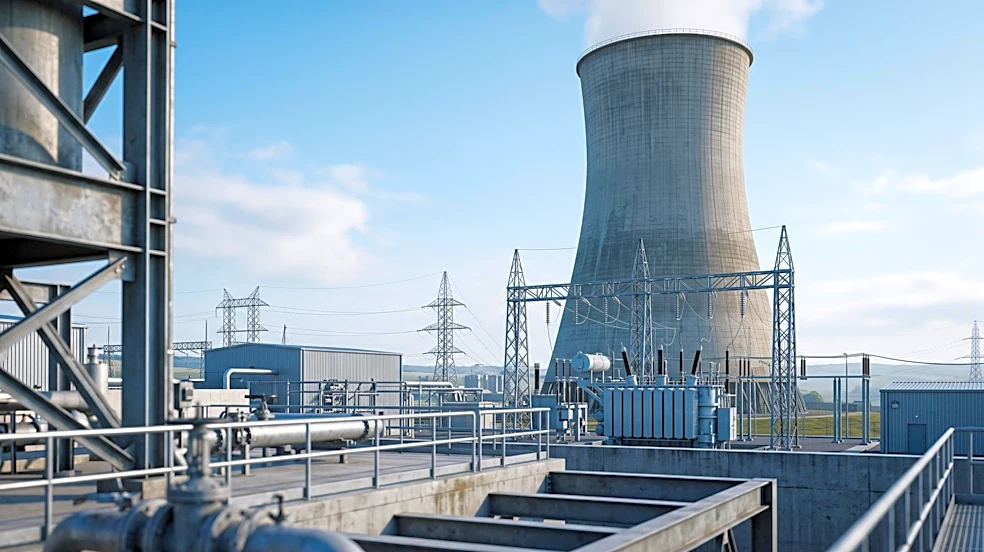
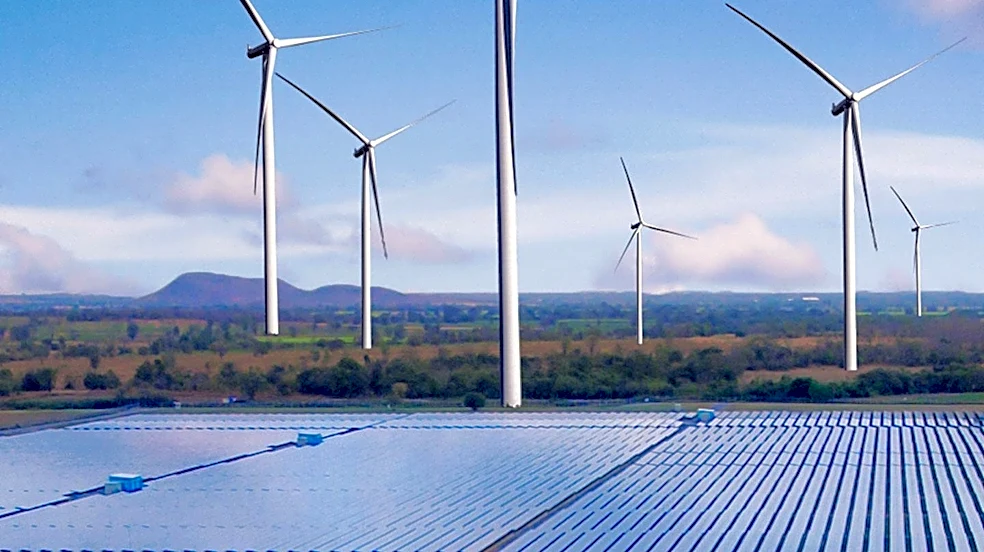
and enhance the resilience of the nation's electricity grid. The funding aims to accelerate the creation of advanced circuit breakers capable of handling bidirectional direct current fault currents, which are crucial for integrating renewable energy sources like solar and wind farms into regional transmission grids. This move also supports the replacement of aging oil-filled breakers with more modern vacuum and eco-efficient gas-insulated switchgear. The modernization efforts are driven by the increasing demand for power from hyperscale AI data centers, federal grid resilience funding, and the expansion of electric vehicle charging infrastructure across the United States. The U.S. market for circuit protection is experiencing significant growth, with a projected 5.89% Compound Annual Growth Rate (CAGR) due to these factors.
Why It's Important?
This investment by the U.S. Department of Energy is critical for several reasons. Firstly, it directly addresses the challenges posed by an aging electrical infrastructure, which is increasingly vulnerable to outages and inefficiencies. Modernizing circuit breaker technologies will improve grid reliability and resilience, ensuring a more stable power supply for homes and businesses. Secondly, the development of advanced circuit breakers is essential for the successful integration of renewable energy sources. As the nation shifts towards cleaner energy, the grid must be capable of handling the variable and bidirectional power flows from solar and wind installations. This funding will facilitate that transition, supporting the growth of the renewable energy sector. Lastly, the initiative supports the burgeoning demand for electricity from new technologies such as AI data centers and electric vehicles. These sectors require robust and reliable power infrastructure, and the upgraded circuit protection will help meet these demands, fostering economic growth and technological advancement.
What's Next?
The $8 million funding from the U.S. Department of Energy is expected to catalyze research and development in next-generation circuit breaker technologies. This will likely lead to the accelerated deployment of these advanced solutions across the U.S. electrical grid. Utility operators will continue to replace outdated equipment with modern, more efficient, and environmentally friendly alternatives, such as vacuum interrupters and solid-state silicon carbide switches, moving away from SF6 greenhouse gas insulation. The ongoing expansion of hyperscale AI data centers and electric vehicle charging networks will further drive the demand for these advanced circuit protection systems. Additionally, federal infrastructure funding will continue to play a significant role in supporting electric utilities in their efforts to upgrade substation switchgear. This sustained investment and technological advancement are anticipated to contribute to a robust and resilient national power grid capable of meeting future energy demands and supporting the transition to a cleaner energy economy.
Beyond the Headlines
Beyond the immediate technical upgrades, this initiative signifies a broader strategic shift in how the U.S. approaches its energy infrastructure. The focus on next-generation circuit breakers is not merely about replacing old parts; it's about building a smarter, more adaptable grid that can withstand future challenges, including climate change impacts and cyber threats. The move towards eco-efficient switchgear also highlights a commitment to environmental sustainability, reducing the reliance on harmful greenhouse gases like SF6. This modernization effort could also stimulate innovation within the electrical equipment manufacturing sector, creating new jobs and fostering technological leadership. Furthermore, a more resilient grid could enhance national security by reducing vulnerabilities to large-scale power outages, which can have cascading effects on critical infrastructure and public services. The long-term implications include a more decentralized and flexible energy system, empowering communities with greater energy independence and potentially leading to new models of energy consumption and distribution.