





What's Happening?
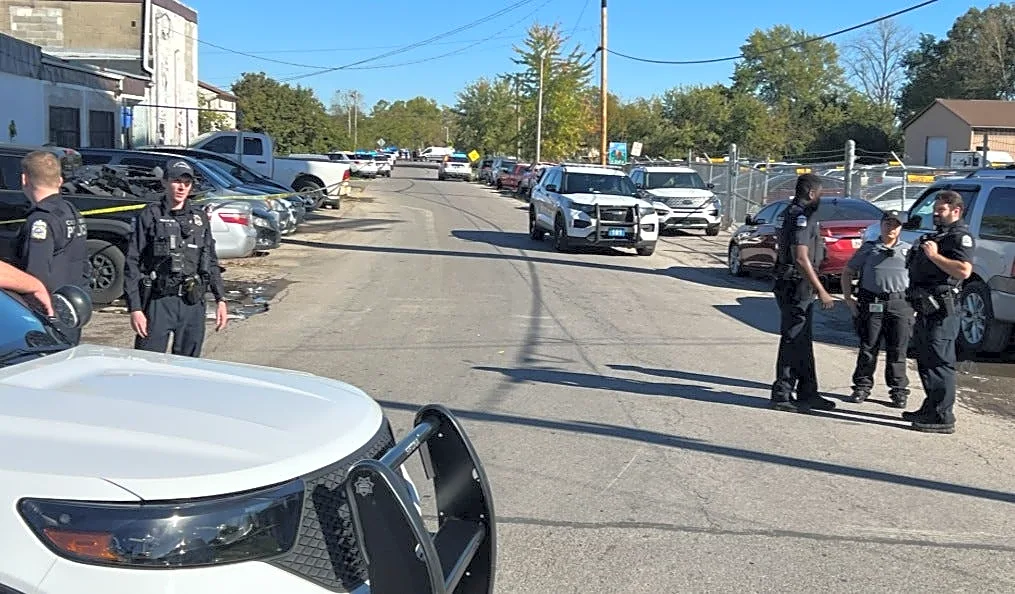
Mississippi Attorney General Lynn Fitch's Fentanyl Strike Force recently concluded two operations in North Mississippi, specifically in Southaven on October 14 and Tupelo on October 15. These operations resulted in a total of 16 arrests, comprising six
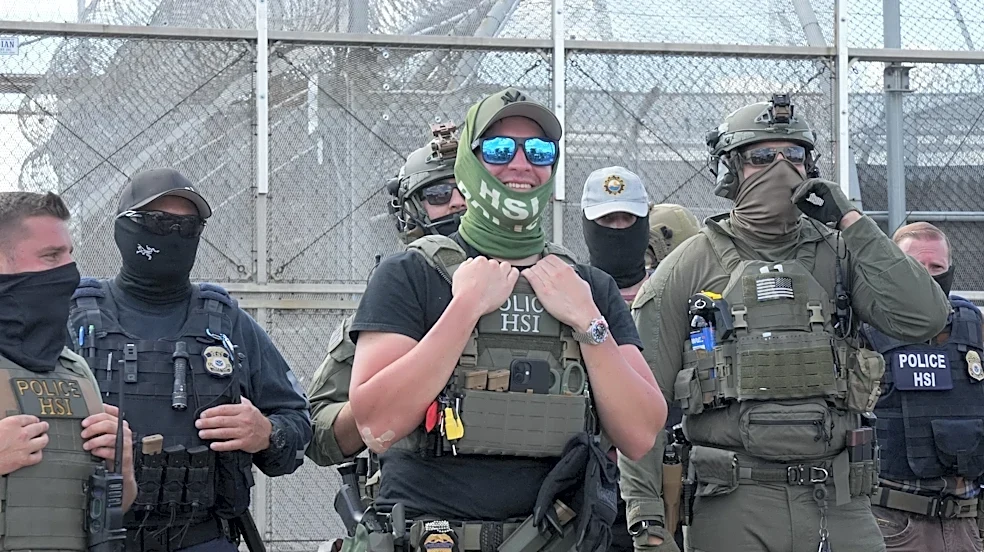
felony arrests, five misdemeanor arrests, and five DUI arrests. Additionally, law enforcement executed one search warrant and issued six Immigration and Customs Enforcement detainers. A significant outcome of these efforts was the recovery of a juvenile runaway. The Tupelo operation was a collaborative effort with District Attorney Jason Herring’s office, involving multiple agencies including the DeSoto County Sheriff’s Office, ICE, the Mississippi Bureau of Narcotics, the Mississippi Highway Patrol, the North Mississippi Narcotics Task Force, and the Southaven and Tupelo police departments. Attorney General Fitch emphasized the commitment to disrupting drug operations and prosecuting criminals involved in peddling fentanyl.
Why It's Important?
The Fentanyl Strike Force operations are crucial in addressing the growing public health and safety crisis posed by fentanyl in Mississippi. Fentanyl is a highly potent synthetic opioid that has been a major contributor to overdose deaths across the United States. By targeting drug operations and making arrests, these efforts aim to reduce the availability of fentanyl in communities, thereby potentially saving lives and mitigating the drug's devastating impact. The involvement of multiple law enforcement agencies at local, state, and federal levels highlights the complex and widespread nature of the fentanyl problem, requiring a coordinated response. The recovery of a missing teen during these operations also underscores the broader societal issues often intertwined with drug trafficking, such as exploitation and vulnerability among youth. These actions are vital for community safety and public health, demonstrating a proactive approach to combating the opioid epidemic.
What's Next?
Attorney General Fitch has stated her office's commitment to building a statewide network of law enforcement equipped with the tools and knowledge to disrupt drug operations and secure successful prosecutions. This suggests a continued and potentially expanded effort to combat fentanyl trafficking across Mississippi. The training of nearly 900 law enforcement officers to safely handle fentanyl and work narcotics cases indicates an ongoing investment in specialized skills and resources. Future operations are likely to target other areas of the state, aiming to dismantle drug networks and reduce the supply of fentanyl. The collaboration between various agencies is expected to continue, fostering a unified front against drug-related crime. The focus will remain on disrupting the supply chain and holding those responsible accountable, with an emphasis on protecting communities from the dangers of fentanyl.
Beyond the Headlines
The ongoing fight against fentanyl has deeper implications beyond immediate arrests and drug seizures. The Attorney General's emphasis on building a network of law enforcement and providing specialized training points to a long-term strategy aimed at systemic change. This approach acknowledges that combating fentanyl requires not just reactive measures but also proactive intelligence gathering, inter-agency cooperation, and continuous education for officers. The recovery of a juvenile runaway during these operations highlights the often-overlooked human trafficking and exploitation aspects linked to drug activities, suggesting a need for broader social support and intervention programs alongside law enforcement efforts. The success of these strike forces could serve as a model for other states grappling with similar challenges, demonstrating the effectiveness of a coordinated, multi-faceted approach to a complex public health and safety crisis.