






What's Happening?
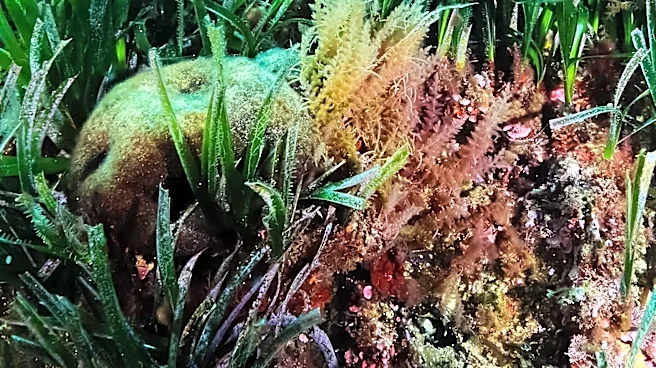
In 2000, the invasive species Caulerpa taxifolia, known as 'killer algae,' was discovered in Southern California waters, likely due to illegal dumping from an aquarium. This led to a six-year eradication effort costing over $7 million. The algae, originally
from tropical regions, can thrive in cooler waters and reproduce rapidly, making it a formidable invasive species. It smothers native marine life by blocking sunlight and releasing toxins, disrupting ecosystems and affecting fisheries. The eradication involved covering affected areas with tarpaulins and using chlorine, which also harmed other marine life.
Why It's Important?
The incident underscores the significant ecological and economic impacts of invasive species. The costly eradication effort highlights the challenges of managing such threats once they establish themselves. Invasive species can alter ecosystems, reduce biodiversity, and impact local economies, particularly fisheries. This case serves as a cautionary tale about the unintended consequences of human actions, such as improper disposal of aquarium plants. It also emphasizes the need for stringent regulations and public awareness to prevent similar occurrences in the future.
What's Next?
The successful eradication of Caulerpa taxifolia in California serves as a model for managing invasive species, but ongoing vigilance is necessary to prevent reintroduction. Authorities may need to implement stricter regulations on the disposal of aquarium plants and increase public education efforts. Monitoring and rapid response strategies will be crucial in protecting coastal ecosystems from future invasions. The incident may also prompt discussions on international cooperation to address invasive species, as they often cross borders and require coordinated efforts to manage.