




What's Happening?
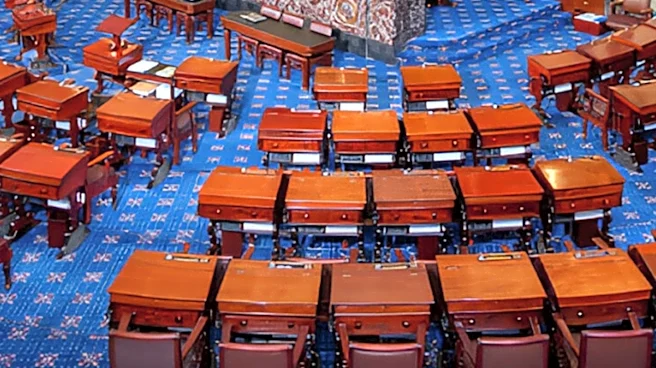
All eleven Democratic members of the Senate Banking Committee, led by Ranking Member Elizabeth Warren (D-Mass.) and Senator Catherine Cortez Masto (D-Nev.), have formally requested that Chair Tim Scott (R-SC) hold a public committee hearing on prediction
markets. This request comes after reports indicated that Chair Scott was planning a Republican-only roundtable with industry executives, specifically mentioning the presence of executives from Kalshi. The Senators' letter, sent on September 23, 2026, emphasized the growing nature of security-based prediction markets, which involve event contracts tied to corporate performance indicators. These contracts could potentially fall under the definition of security-based swaps, making them subject to regulation by the Securities and Exchange Commission (SEC). The letter highlighted the significant increase in prediction market trading volume, from $5 billion in September 2025 to $24 billion in April 2026, and cited concerns from experts regarding market manipulation and insider trading.
Why It's Important?
This push for a public hearing on prediction markets is important due to the rapid growth and potential regulatory implications of these financial instruments. The concerns raised by the Democratic Senators about market manipulation and insider trading underscore the need for transparency and proper oversight in this evolving sector. If prediction markets, particularly those tied to corporate performance, are indeed security-based swaps, then the SEC's jurisdiction becomes crucial for investor protection and market integrity. A public hearing would allow for a broader discussion involving various stakeholders, including regulators, industry experts, and consumer advocates, ensuring that any regulatory framework developed is comprehensive and addresses potential risks. The debate over whether to hold a public hearing versus a closed-door roundtable also highlights a broader political tension regarding transparency in financial regulation and the influence of industry executives on policy-making.
What's Next?
The immediate next step will be Chair Tim Scott's response to the request for a public hearing. If he agrees, the Senate Banking Committee will likely schedule a hearing where experts, industry representatives, and regulators can present their views on prediction markets. This could lead to legislative proposals aimed at clarifying the regulatory status of these markets and establishing appropriate oversight mechanisms. If Chair Scott declines the request, the Democratic Senators may continue to press the issue through other legislative avenues or public statements, potentially increasing scrutiny on the prediction market industry. The SEC will also be closely watching these developments, as the outcome could influence their approach to regulating these products, especially if they are determined to be security-based swaps. The industry itself will likely continue to seek clarity and favorable regulatory treatment.
Beyond the Headlines
The discussion around prediction markets touches upon fundamental questions about the nature of financial innovation and the role of regulation in emerging markets. The concerns about market manipulation and insider trading highlight the ethical challenges inherent in financial products that allow speculation on future events, particularly those tied to corporate performance. The rapid growth of these markets also raises questions about their potential impact on traditional financial markets and the broader economy. From a legal perspective, the classification of these products as securities or commodities will have significant implications for which regulatory body has jurisdiction and what rules apply. Culturally, the rise of prediction markets reflects a growing trend of gamification in finance, which could have both positive and negative societal consequences, depending on how these markets are structured and regulated. The transparency debate also speaks to the public's right to understand how financial decisions are made and influenced.