






What's Happening?
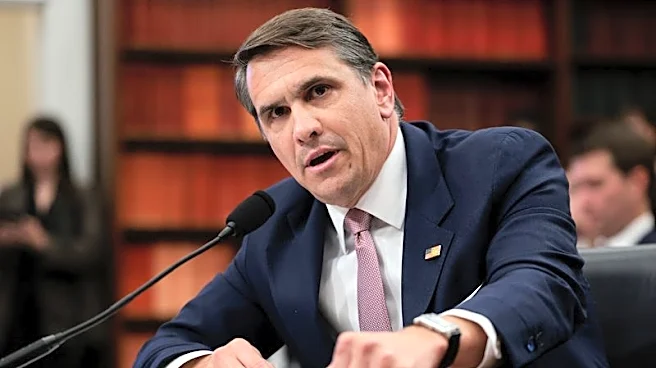
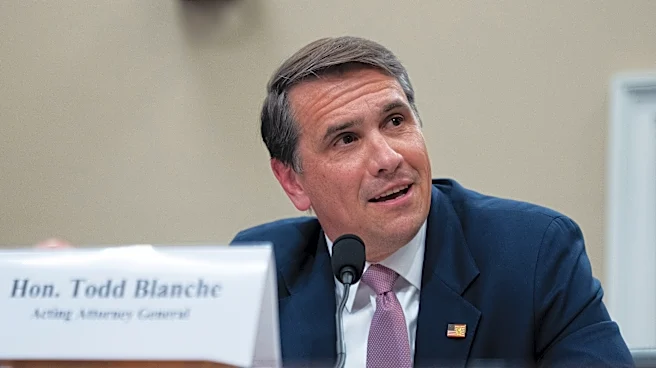
The Department of Justice (DOJ) has confirmed that the $1.7 billion 'anti-weaponization fund' will not proceed, urging federal judges to dismiss lawsuits challenging the program. Acting Attorney General Todd Blanche stated that the fund, initially part of a settlement
related to President Trump's civil lawsuit against the IRS, is not moving forward. The DOJ argued that the lawsuits are moot as the fund is no longer a live issue. The fund was intended to provide compensation to individuals affected by 'lawfare and weaponization,' but faced significant opposition from lawmakers concerned about potential payouts to those involved in the January 6 Capitol attack.
Why It's Important?
The decision to halt the anti-weaponization fund reflects ongoing political debates about the use of government funds and the accountability of public officials. The fund's cancellation may alleviate concerns about its potential misuse, particularly in light of bipartisan opposition. However, the controversy surrounding the fund highlights broader issues of transparency and trust in government actions. The DOJ's move to dismiss the lawsuits underscores the complexity of navigating legal challenges in politically charged contexts. The outcome of this case could set precedents for how similar disputes are handled in the future.
What's Next?
With the fund no longer proceeding, the focus may shift to other aspects of the Trump-IRS settlement that remain in place. Lawmakers and watchdog groups may continue to scrutinize the settlement's terms and their implications for government accountability. The DOJ's request for dismissal of the lawsuits will be considered by the courts, and their decisions could influence future legal strategies in similar cases. The political ramifications of the fund's cancellation may also play out in upcoming legislative sessions, as lawmakers seek to address concerns about government spending and oversight.