








What's Happening?
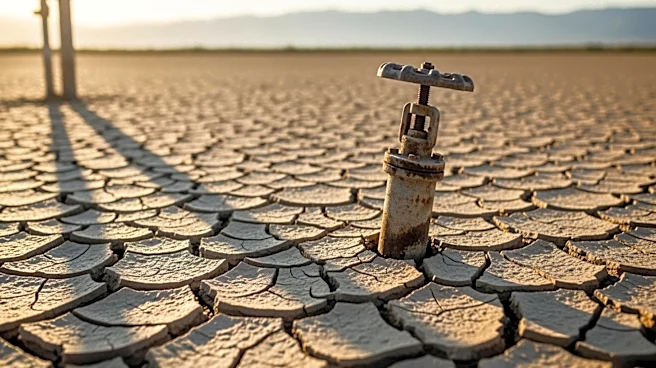
Farmers in Colorado, particularly in the Uncompahgre Valley, are dealing with a range of challenges, including water shortages and economic pressures. These issues are affecting the production of some of the state's best-known crops. The situation is part of a broader
trend impacting farmers across the state, as they navigate environmental constraints and financial difficulties. The challenges are compounded by the need to balance water usage with agricultural demands, a critical issue in a region where water resources are limited.
Why It's Important?
The difficulties faced by Colorado farmers have significant implications for the state's agricultural sector and economy. Water shortages threaten crop yields and the viability of farming operations, potentially leading to reduced agricultural output and economic losses. This situation underscores the importance of sustainable water management practices and policies that support farmers in adapting to changing environmental conditions. The economic pressures also highlight the need for strategies to enhance the resilience of the agricultural sector, ensuring its long-term sustainability and contribution to the state's economy.
What's Next?
Addressing these challenges will require coordinated efforts from farmers, policymakers, and stakeholders. Potential solutions include investing in water-saving technologies, developing policies that promote sustainable water use, and providing financial support to farmers facing economic pressures. Collaboration between government agencies and the agricultural community will be essential in developing effective strategies to mitigate the impact of these challenges and support the resilience of Colorado's agricultural sector.