




What's Happening?
Union Agriculture Minister Shivraj Singh Chouhan emphasized the importance of integrating technology into agriculture during the Unnati Krishi Mela in Raisen. The event, which runs from April 11 to 13, serves as a platform for farmers to engage directly
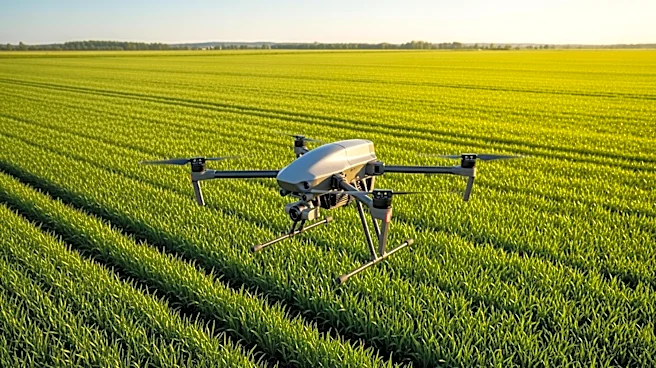
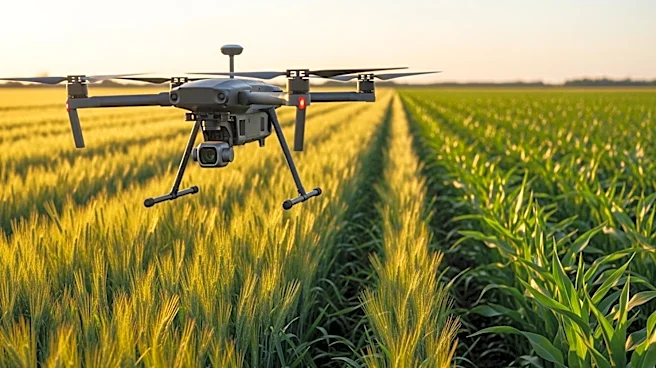
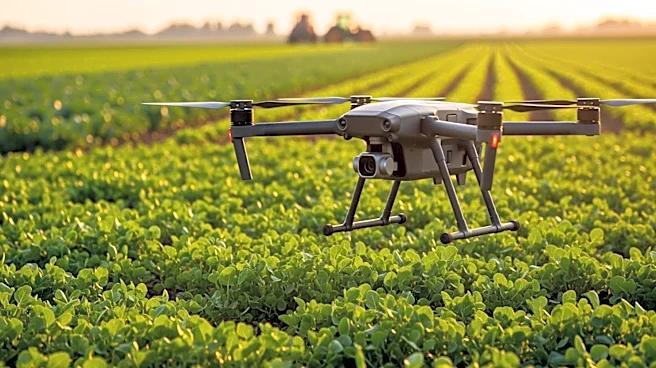
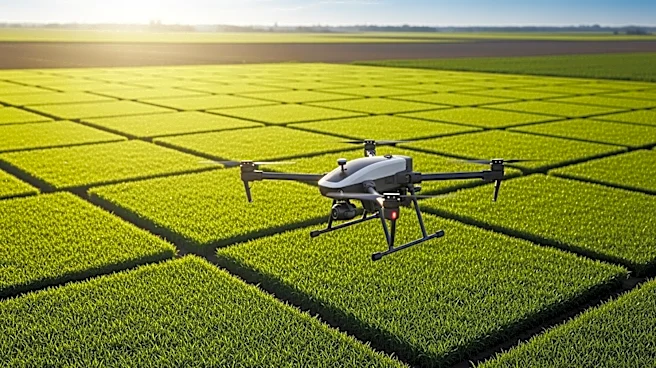
with scientific and technological advancements in agriculture. Chouhan highlighted the fair's role as a practical learning hub, where farmers can gain insights from scientists, experts, and progressive farmers. The event features over 300 stalls showcasing innovations in various agricultural sectors, including horticulture, irrigation, and food processing. More than 4,000 farmers from Madhya Pradesh have registered to participate in live demonstrations of new farming technologies. Chouhan also announced the establishment of 55 pulse mills in the state to support market access and ensure the procurement of crops at the Minimum Support Price.
Why It's Important?
The Unnati Krishi Mela represents a significant step towards modernizing agriculture in India by promoting the use of technology and scientific methods. This initiative aims to increase farmers' income and improve food security by encouraging diversification beyond traditional farming practices. By integrating crops with horticulture, animal husbandry, and other activities, farmers can potentially earn higher incomes. The event also underscores the government's commitment to developing state-specific agricultural roadmaps, which consider local soil types and conditions. This tailored approach is expected to enhance agricultural productivity and sustainability, benefiting both farmers and the broader economy.
What's Next?
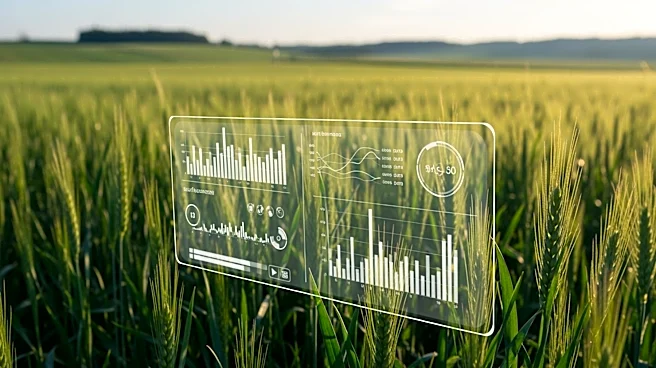
Following the Unnati Krishi Mela, the focus will likely shift to implementing the strategies and technologies introduced at the event. The government plans to continue developing and executing state-specific agricultural roadmaps to guide farmers in adopting modern practices. The establishment of pulse mills and the procurement of crops at the Minimum Support Price are expected to provide immediate market support to farmers. Additionally, the integration of technology, such as the Mrida/eFARM application for soil health assessment, will be crucial in reducing costs and increasing profitability for farmers. Ongoing collaboration between the government, scientists, and farmers will be essential to ensure the successful adoption of these innovations.