






What's Happening?
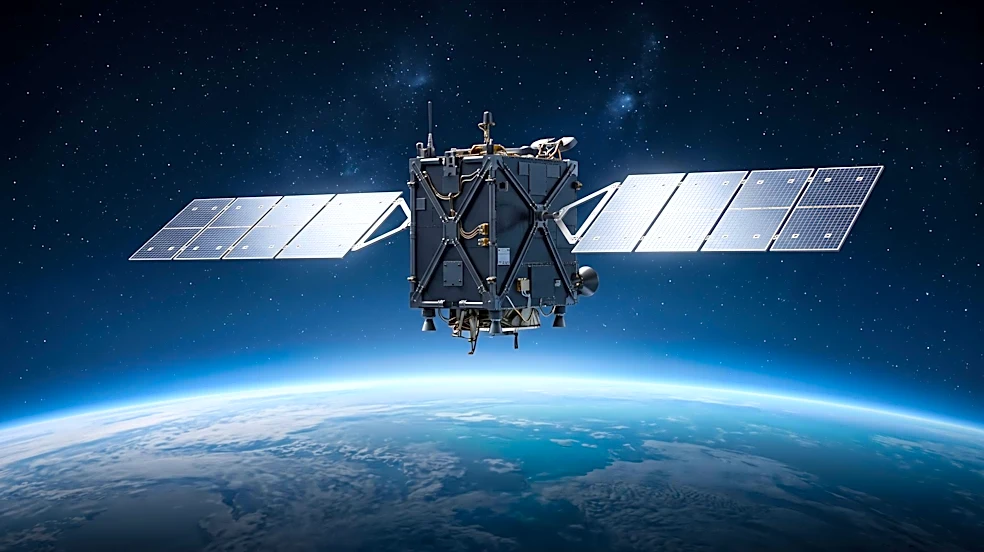
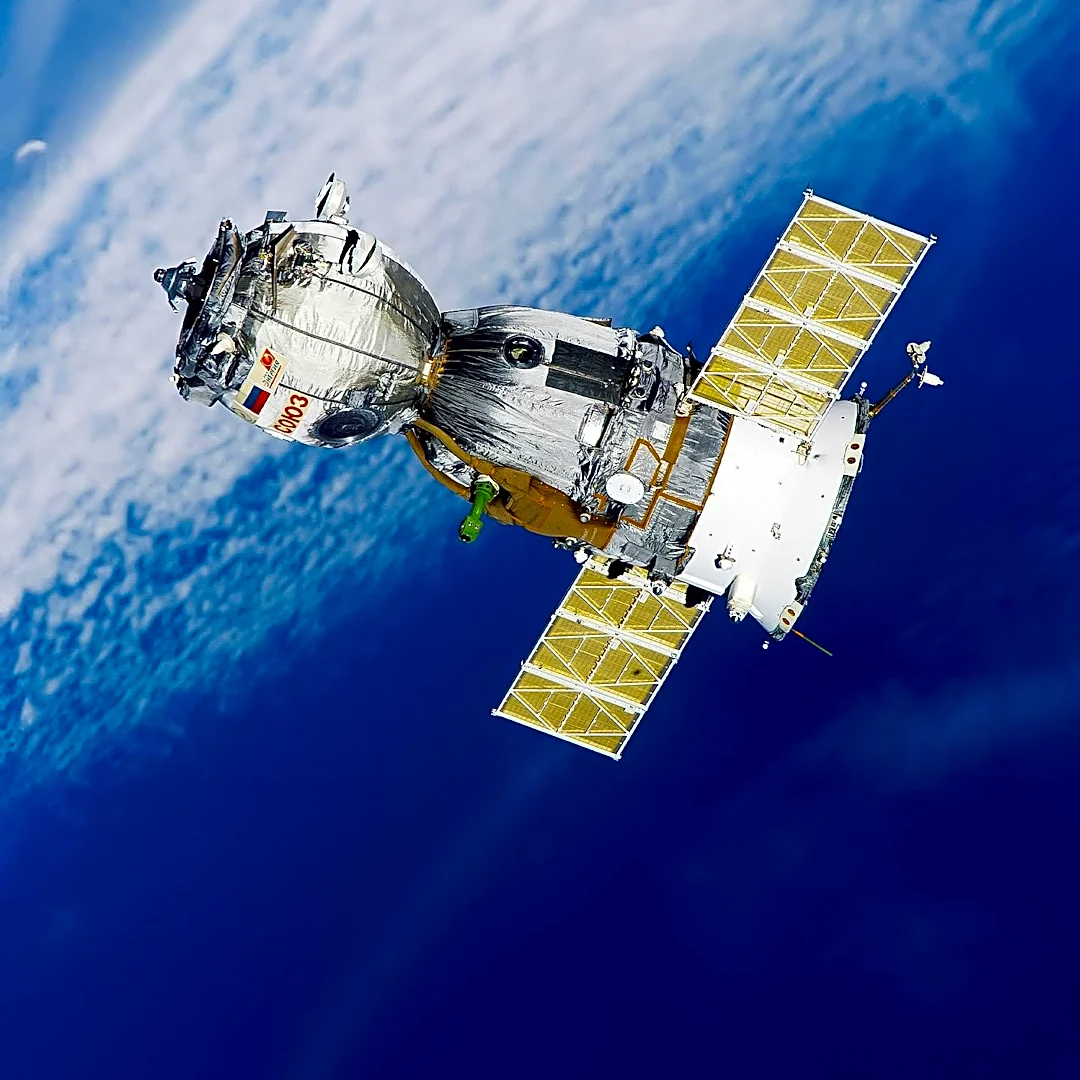
New research from DTU Space, a department at the Technical University of Denmark, indicates that GPS jamming, traditionally recognized as a problem for aircraft and ships, also affects satellites hundreds of kilometers above Earth. Kian Bostani Nezhad,
a scientist and PhD student at DTU Space and Centre for Security DTU, led the development of SAT-JAM, a new publicly accessible online map. This map utilizes satellite data to illustrate where these disruptions occur and their frequency. The research highlights that interference with satellite navigation signals over Europe can disrupt satellites in low Earth orbit, thereby impacting their ability to precisely determine their position. While the SAT-JAM map shows the locations and frequency of interference, it does not identify the exact source or whether the interference is deliberate.
Why It's Important?
The findings are significant because satellites play a crucial role in supporting various essential services, including weather forecasting, Earth observation, global communications, and disaster monitoring. Disruptions to these satellites' ability to determine their precise position can have cascading effects on the accuracy and reliability of these services. For the U.S., this could mean potential impacts on military operations that rely heavily on satellite navigation, as well as commercial sectors dependent on precise GPS data for logistics, agriculture, and transportation. The research underscores a growing vulnerability in space-based infrastructure, which is vital for both national security and economic stability. Understanding the extent and nature of this interference is a critical step in developing countermeasures and ensuring the resilience of satellite-dependent systems.
What's Next?
The development of the SAT-JAM map provides a tool for ongoing monitoring of GPS interference affecting satellites. Future steps will likely involve further research to identify the sources of this interference, which could lead to the development of technologies and strategies to mitigate its effects. This could include international collaborations to address the issue, as the interference observed is over Europe but has global implications for satellite operations. Stakeholders in the U.S., including government agencies, defense contractors, and commercial satellite operators, will likely analyze this data to enhance the robustness of their satellite systems and navigation technologies. The research may also prompt policy discussions regarding the protection of space assets from deliberate or accidental jamming.
Beyond the Headlines
The revelation that GPS jamming extends to satellites in low Earth orbit introduces a new dimension to the challenges of space security. Beyond the immediate operational impacts, this phenomenon raises ethical and legal questions regarding the responsible use of electromagnetic spectrum and the potential for state or non-state actors to disrupt critical global infrastructure. The inability to determine the exact source of interference complicates accountability and response efforts. This situation could accelerate the development of alternative navigation systems that are less reliant on GPS, or more resilient to interference, fostering innovation in navigation technology. It also highlights the increasing interconnectedness of terrestrial and space-based systems, where disruptions in one domain can have profound effects on the other, necessitating a holistic approach to national and international security.