




What's Happening?
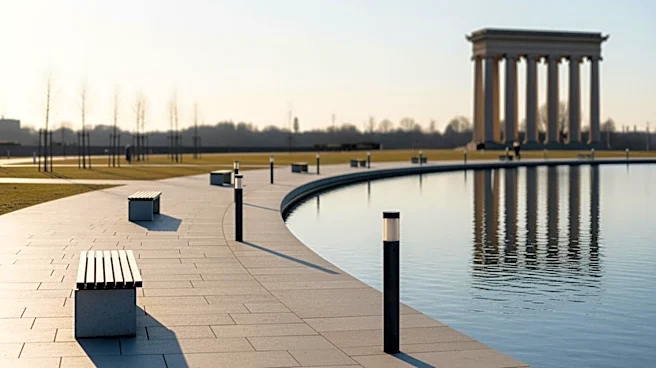
President Donald Trump has proposed the creation of a new promenade near the Lincoln Memorial Reflecting Pool, which is currently undergoing renovations. During a news conference, Trump mentioned the possibility of naming the promenade after himself,
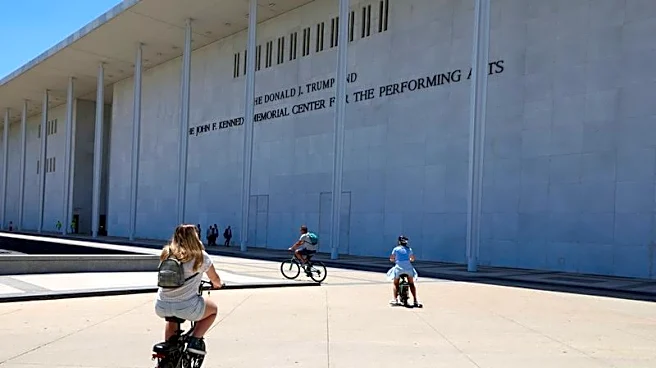
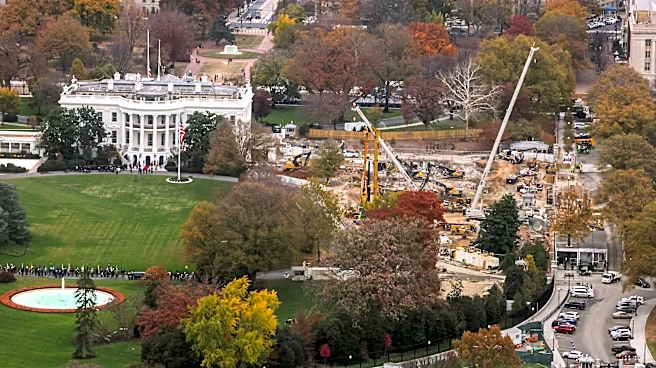
although he expressed uncertainty about this decision. The reflecting pool, which stretches over 2,000 feet in front of the Lincoln Memorial, is being refilled after being resealed with a blue sealant referred to as 'American flag blue.' The project, initially estimated to cost between $1.5 million and $2 million, has seen contracts awarded totaling $14.8 million. This proposal is part of a series of initiatives by Trump to make changes to Washington D.C., including a new ballroom at the White House and a memorial arch. However, a U.S. District Court recently ruled against rebranding the Kennedy Center with Trump's name, citing federal law violations.
Why It's Important?
The proposed promenade and the ongoing renovations of the Lincoln Memorial Reflecting Pool highlight President Trump's continued efforts to leave a lasting mark on the nation's capital. These projects reflect his broader agenda to reshape public spaces and landmarks in Washington D.C. The financial implications are significant, with the reflecting pool project alone costing substantially more than initially projected. This raises questions about budget allocations and the prioritization of federal funds. Additionally, the legal challenges faced in renaming the Kennedy Center underscore the complexities and potential controversies involved in altering historic sites. The outcome of these projects could influence public perception of Trump's legacy and his impact on national heritage sites.
What's Next?
As the reflecting pool project nears completion, attention will likely turn to the proposed promenade. The decision on whether to name it after Trump remains uncertain, and public and political reactions could shape its future. The legal and financial aspects of these projects may prompt further scrutiny from lawmakers and the public, potentially influencing future infrastructure and renovation plans in the capital. Stakeholders, including historical preservation groups and federal agencies, may engage in discussions to ensure that any developments align with legal standards and public interest.