








What's Happening?
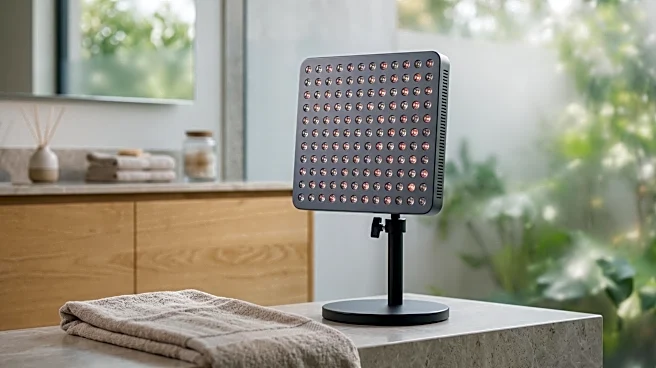
Red light therapy (RLT), also known as photobiomodulation, is an increasingly popular non-invasive treatment utilizing low levels of red and near-infrared light to stimulate cellular processes. This therapy works by allowing light to penetrate the skin
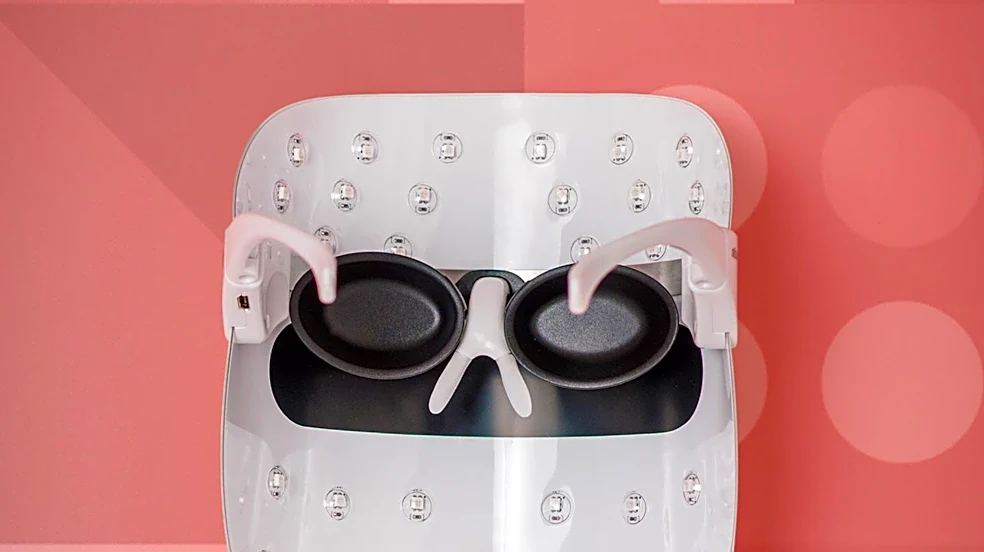
and stimulate mitochondria, the 'powerhouses of the cell,' which enhances cellular energy production and improves cell function. RLT is recognized for its ability to boost collagen production, reduce inflammation, and aid in skin repair. It has shown effectiveness in treating various skin conditions like acne, eczema, and psoriasis, as well as promoting wound healing. Beyond dermatology, RLT is also being used for chronic pain management, with its anti-inflammatory effects and ability to increase blood flow making it beneficial for conditions such as neck and back pain and arthritis. Many at-home red light therapy devices have received clearance from the U.S. Food and Drug Administration (FDA) as safe for use, with LED options generally considered safer due to a reduced risk of side effects like burns.
Why It's Important?
The growing acceptance and FDA clearance of red light therapy devices signify a notable shift in accessible healthcare and wellness treatments. For consumers, RLT offers a non-invasive, drug-free alternative for managing chronic pain and improving skin health, potentially reducing reliance on pharmaceutical interventions or more invasive procedures. This accessibility, particularly with at-home devices, democratizes treatments that were once primarily available in clinical settings. The therapy's ability to stimulate collagen production is significant for the anti-aging market, offering a less aggressive option for skin rejuvenation. In pain management, RLT provides a complementary or alternative treatment for individuals seeking to reduce inflammation and improve circulation without the side effects associated with some medications. The increasing evidence supporting its efficacy could lead to broader adoption within mainstream medical practices and insurance coverage, impacting both healthcare providers and patients.
What's Next?
As research continues to validate the benefits of red light therapy, further integration into clinical settings and broader consumer markets is expected. The focus will likely shift towards optimizing treatment protocols, including specific wavelengths, intensities, and durations for various conditions, to maximize efficacy and safety. We may see advancements in device technology, making RLT units more portable, efficient, and user-friendly for at-home use. Increased awareness and demand could also prompt more rigorous scientific studies to explore additional applications, such as its promising role in muscle recovery and sleep improvement. Regulatory bodies like the FDA may continue to refine guidelines for RLT devices, ensuring consumer safety and product effectiveness. Furthermore, as more healthcare professionals become educated on RLT, it could become a more common recommendation for patients seeking adjunctive therapies for chronic conditions and aesthetic concerns.
Beyond the Headlines
The rise of red light therapy reflects a broader trend in healthcare towards non-pharmacological and non-invasive treatments, emphasizing the body's natural healing capabilities. This paradigm shift challenges traditional medical approaches that often prioritize medication or surgery. Ethically, the accessibility of at-home devices raises questions about proper usage, potential over-reliance, and the importance of professional consultation to ensure appropriate application and avoid misuse. Legally, as the market expands, there may be increased scrutiny on marketing claims and product efficacy, requiring manufacturers to provide robust scientific evidence. Culturally, the embrace of RLT aligns with a growing wellness movement where individuals are seeking proactive and holistic approaches to health and beauty. This could lead to a greater integration of light-based therapies into daily routines, influencing how people manage their health and appearance in the long term, and potentially fostering a more preventative approach to well-being.