




What's Happening?
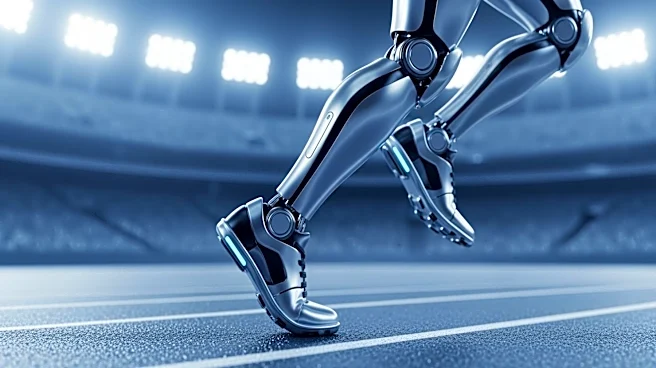
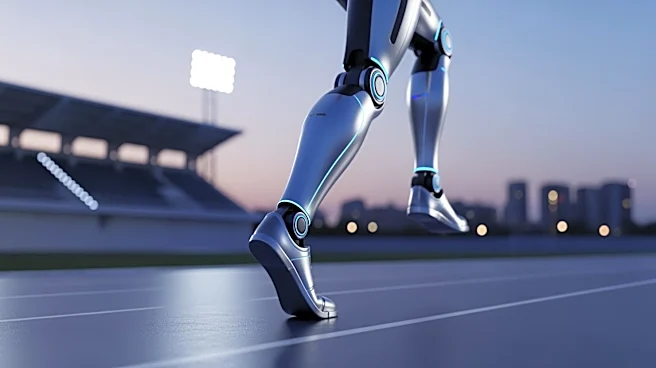
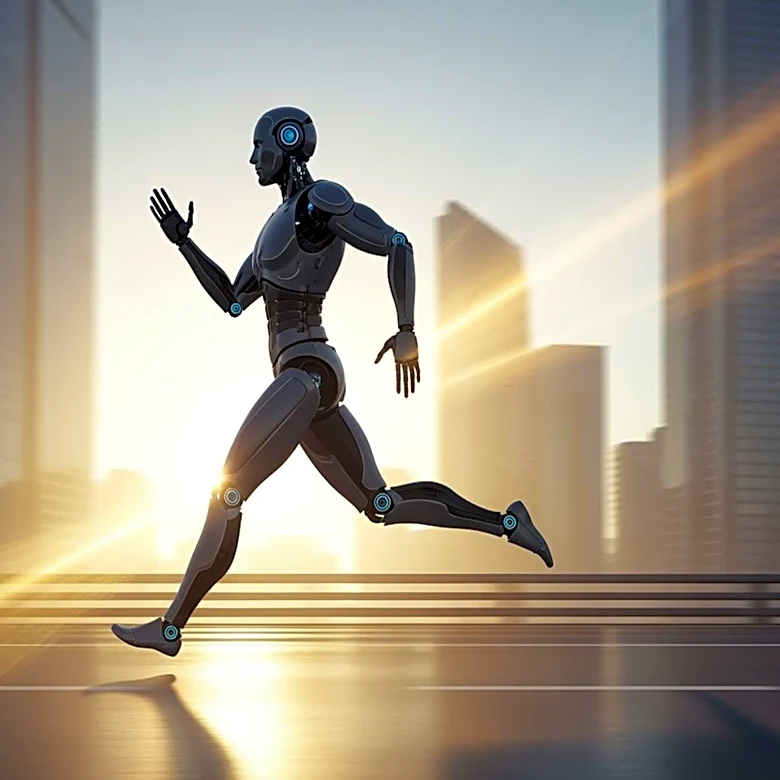
A humanoid robot developed by Chinese smartphone maker Honor has set a new world record in a half-marathon race in Beijing, completing the 13-mile course in 50 minutes and 26 seconds. This time is significantly faster than the current men's world record held
by Ugandan runner Jacob Kiplimo. The event showcased the rapid advancements in humanoid robotics, with over 100 robot entries compared to about 20 the previous year. The robots demonstrated advanced autonomous navigation skills, running alongside human participants in separate lanes to avoid collisions. The achievement marks a significant milestone in the field of robotics, highlighting the potential for robots to perform tasks traditionally dominated by humans.
Why It's Important?
The success of humanoid robots in competitive sports events like the half-marathon underscores the growing capabilities of artificial intelligence and robotics. This development has implications for various industries, including manufacturing, logistics, and healthcare, where robots could take on roles that require precision and speed. The event also raises questions about the future of human-robot interaction and the potential impact on employment, as robots become more capable of performing tasks that were once exclusive to humans. The increasing sophistication of AI and robotics could lead to significant shifts in the job market and societal structures.
Beyond the Headlines
The humanoid robot's achievement in the half-marathon highlights ethical and cultural considerations regarding the integration of robots into daily life. As robots become more prevalent, there may be concerns about privacy, security, and the ethical implications of machines outperforming humans in various domains. Additionally, the event reflects broader trends in technological innovation and the potential for robots to contribute to fields such as elderly care, firefighting, and other areas requiring physical endurance and precision. The rapid pace of technological advancement may also prompt discussions about regulatory frameworks and the need for policies to address the societal impact of robotics.