



What's Happening?
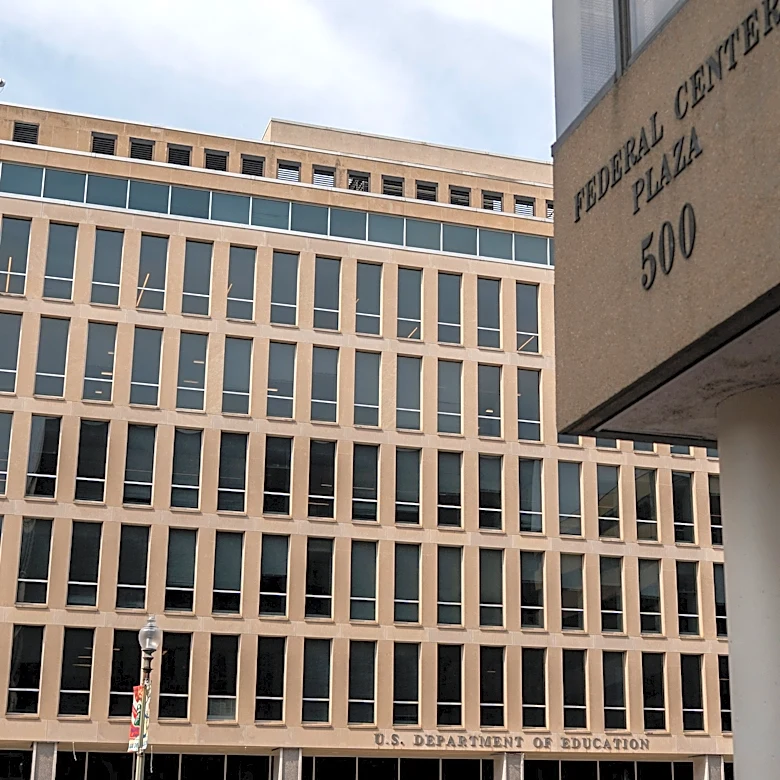
Congressman Andy Harris has announced a $6 million grant from the U.S. Department of Agriculture (USDA) to enhance the processing capacity for invasive wild-caught catfish. This funding, provided through USDA Rural Development’s Meat and Poultry Processing
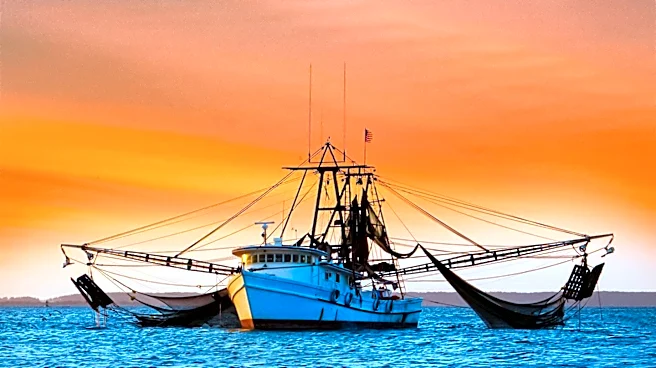
Expansion Program, aims to bolster the market for wild-caught catfish, create more opportunities for watermen and seafood processors, and contribute to the removal of invasive fish from the Chesapeake Bay. Eligible processors can apply for grants ranging from $50,000 to $2 million to expand facilities, acquire necessary equipment, and increase their catfish processing capabilities. The application deadline for these grants is December 7, 2026, and submissions are to be made via Grants.gov. This initiative is part of a broader effort to address both economic development in the seafood industry and ecological concerns related to invasive species.
Why It's Important?
This USDA funding is significant for several reasons, impacting both the economy and environment of the Chesapeake Bay region. Economically, it provides a substantial boost to the local seafood industry by strengthening the market for wild-caught catfish. This creates new revenue streams and job opportunities for watermen and seafood processors, who stand to gain from increased demand and improved infrastructure. Environmentally, the program is crucial for managing invasive species. By incentivizing the processing of wild-caught catfish, it supports efforts to reduce the population of these fish in the Chesapeake Bay, which can have detrimental effects on native ecosystems. The expansion of processing capacity means more invasive fish can be removed, helping to restore ecological balance. This dual benefit of economic growth and environmental conservation makes the funding a key development for the region.
What's Next?
The immediate next step involves eligible seafood processors applying for the grants through Grants.gov by the December 7, 2026, deadline. Following the application period, the USDA will review submissions and allocate funds to selected projects. Successful applicants will then proceed with expanding their facilities, purchasing equipment, and increasing their processing operations. Over the longer term, the program is expected to lead to a more robust market for wild-caught catfish, potentially attracting more investment into the regional seafood industry. Continued monitoring will be necessary to assess the program's effectiveness in both economic development and the reduction of invasive catfish populations in the Chesapeake Bay. The success of this initiative could also serve as a model for addressing similar challenges in other regions facing invasive species and seeking to support local economies.
Beyond the Headlines
Beyond the immediate economic and environmental benefits, this initiative highlights a strategic approach to problem-solving that integrates ecological management with economic development. The focus on invasive species, often viewed solely as an environmental burden, is reframed as an economic opportunity. By creating a market for wild-caught invasive catfish, the program transforms a threat into a resource, providing a sustainable method for population control while simultaneously supporting local livelihoods. This approach could foster greater collaboration between environmental conservationists and economic stakeholders, demonstrating that ecological health and economic prosperity are not mutually exclusive but can be mutually reinforcing. It also underscores the role of government funding in catalyzing innovative solutions to complex regional challenges, potentially inspiring similar programs in other areas grappling with invasive species and underutilized natural resources.