
What's Happening?
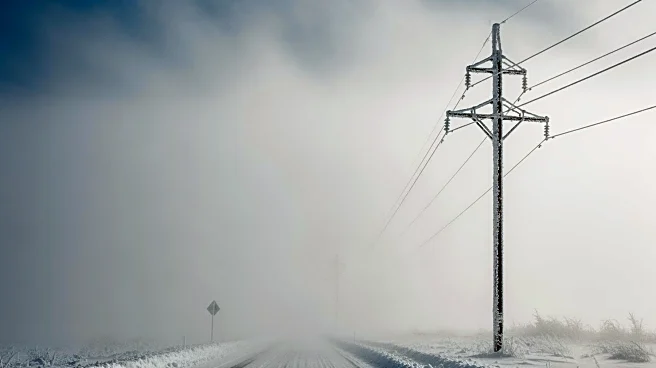
A severe Arctic freeze has enveloped Europe, causing significant disruptions in travel and power supply. The cold wave, driven by northerly winds from high-pressure systems in the Atlantic and Arctic,
has led to plummeting temperatures across northern and central Europe. In the UK, temperatures dropped to -12.5C in Marham, while parts of France and Germany experienced even colder conditions. The frigid weather has increased power demand, with France ramping up gas generators to meet a five-year high in electricity needs. Snowfall has led to the closure of runways and flight cancellations at major airports, including those in Paris and Amsterdam. Rail and bus services have also been affected, with Eurostar trains facing delays and cancellations. The cold spell is the most severe in France since 2012, with temperatures significantly below seasonal norms.
Why It's Important?
The Arctic freeze highlights the vulnerability of Europe's infrastructure to extreme weather conditions. The surge in power demand and reliance on gas generators underscore the challenges in balancing energy supply, especially with reduced wind and solar generation. The travel disruptions affect not only passenger movement but also the logistics and supply chains critical to the economy. The situation raises concerns about the preparedness of European countries to handle such weather extremes, which may become more frequent due to climate change. The economic impact is significant, with potential losses in tourism and increased operational costs for airlines and public transport services.
What's Next?
As the cold wave continues, European countries may need to implement additional measures to manage energy consumption and ensure the safety of travelers. Authorities might consider enhancing infrastructure resilience to withstand such weather events. The situation could prompt discussions on energy policy, particularly the need for diversified and sustainable energy sources to reduce dependency on fossil fuels. In the short term, further travel disruptions and power outages are possible, necessitating coordinated responses from governments and service providers.