





What's Happening?
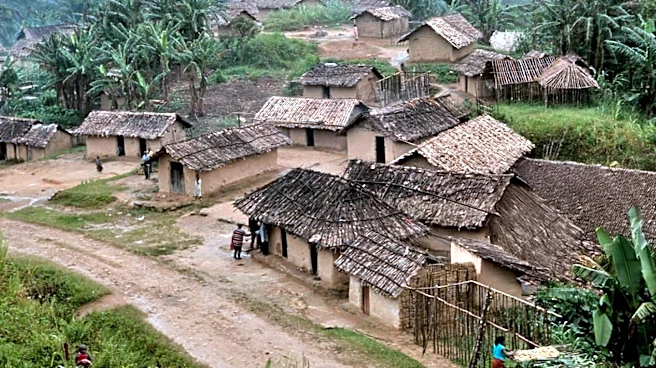
The Democratic Republic of the Congo (DRC) is preparing to conduct its first national census in 42 years, a significant undertaking given the country's history of political instability and conflict. The last census was conducted in 1984 when the country was known
as Zaire. The upcoming census aims to provide accurate population data, which is crucial for public planning and service delivery. Many Congolese citizens, like Heritier Ramazani from Bunia, have never been officially counted or recognized by the state, highlighting the importance of this exercise for identity and recognition. The census will utilize digital tools for data collection, but challenges such as poor infrastructure and ongoing conflict in certain regions pose significant obstacles.
Why It's Important?
The census is a critical step for the DRC in establishing a reliable database for national planning and development. Accurate population data will enable the government to allocate resources more effectively, plan infrastructure projects, and improve public services such as education and healthcare. For many Congolese, being counted represents a form of recognition and the possibility of obtaining official identity documents, which have been scarce due to decades of instability. The census also has political implications, as it could influence representation and governance, especially with upcoming elections.
What's Next?
The DRC government will proceed with the digital mapping phase of the census, deploying teams to identify inhabited areas before collecting household data. The success of the census will depend on overcoming logistical challenges and ensuring security in conflict-affected regions. The international community and development partners may play a role in supporting the DRC's efforts. As the country approaches general elections in 2028, the census data could become a point of contention, necessitating transparency and accountability in the process.