




What's Happening?
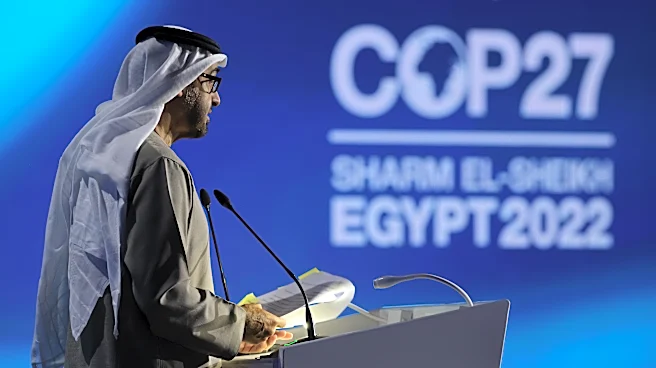
At COP31, multilateral climate funds and developing countries engaged in discussions aimed at fostering closer collaboration to streamline access to climate finance. The dialogue, held during a side event on November 10, 2026, involved representatives
and leaders from key organizations such as the Adaptation Fund, Climate Investment Funds (CIF), Fund for responding to Loss and Damage (FRLD), Global Environment Facility (GEF), and Green Climate Fund (GCF). The primary objective was to enhance the coherence and responsiveness of climate finance to the specific priorities of developing nations. Key areas of focus included harmonizing approaches to measuring results, implementing country-led strategic programming, and establishing new partnerships among the various funds. GCF Executive Director Mafalda Duarte emphasized the crucial role of multilateral climate funds in mobilizing finance at scale and delivering tangible climate impact. Country representatives advocated for quicker and simpler access to funds, better alignment with national strategies, and improved coordination across mitigation, adaptation, and loss and damage initiatives.
Why It's Important?
The discussions at COP31 are significant because they address critical barriers that hinder effective climate action in developing countries. Simplifying access to climate finance and aligning it with national priorities can accelerate the implementation of vital climate projects, particularly in regions highly vulnerable to climate change impacts. The current complexities and fragmentation in climate finance mechanisms often lead to delays and inefficiencies, preventing much-needed resources from reaching their intended beneficiaries. By fostering greater collaboration and harmonization among multilateral funds, there is potential to unlock more substantial and impactful investments in climate mitigation and adaptation. This coordinated approach can also help build trust between funding bodies and recipient countries, ensuring that financial support is utilized effectively to build resilience and promote sustainable development. The outcome of these efforts could significantly influence the global trajectory of climate action, especially in vulnerable economies.
What's Next?
Following the discussions at COP31, the focus will likely shift towards implementing the proposed collaborative frameworks and operationalizing the commitments made. Multilateral climate funds are expected to work on developing more unified reporting standards and streamlined application processes to make finance more accessible. There will also be an emphasis on strengthening country-led programming, which means developing countries will have a more prominent role in identifying and prioritizing their climate finance needs. Further engagement between the funds and national governments will be crucial to ensure that new partnerships and arrangements are effectively integrated into existing climate strategies. The ongoing challenge will be to translate these high-level discussions into concrete actions that result in faster disbursement of funds and more impactful climate projects on the ground. Future COP meetings and inter-sessional gatherings will likely track progress on these collaborative efforts.
Beyond the Headlines
Beyond the immediate operational improvements, these discussions highlight a broader recognition of the systemic challenges within the global climate finance architecture. The call for simpler access and stronger alignment with national priorities reflects a growing demand for more equitable and effective climate governance. It also underscores the ethical imperative to support developing countries, which often bear the brunt of climate change impacts despite contributing the least to its causes. The emphasis on harmonizing results measurement could lead to greater accountability and transparency in climate finance, ensuring that funds are not only disbursed but also achieve their intended environmental and social outcomes. This collaborative push could also foster a more integrated approach to climate action, where mitigation, adaptation, and loss and damage are addressed in a holistic manner, rather than as isolated issues, potentially leading to more sustainable and resilient development pathways globally.