







What's Happening?
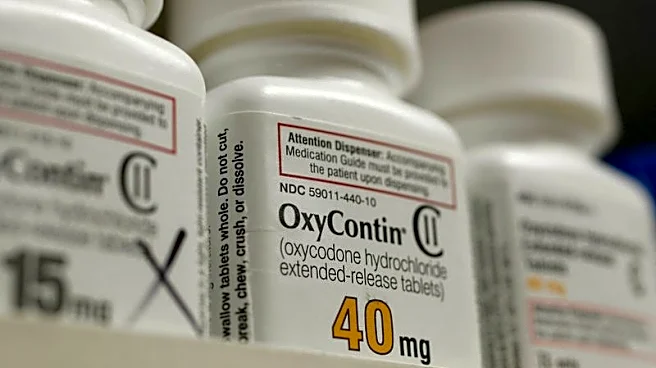
Purdue Pharma has been sentenced to pay $225 million in fines to the U.S. Justice Department as part of a criminal settlement related to its role in the opioid crisis. The company admitted to misleading the public about the safety of OxyContin and engaging
in illegal marketing practices. Despite the settlement, members of the Sackler family, who own Purdue Pharma, will not face criminal charges. The settlement follows years of legal battles over the company's bankruptcy and its role in the opioid epidemic, which has claimed hundreds of thousands of lives in the U.S.
Why It's Important?
The sentencing of Purdue Pharma marks a significant moment in the ongoing efforts to hold pharmaceutical companies accountable for their role in the opioid crisis. While the financial penalties are substantial, critics argue that the lack of criminal charges against the Sackler family highlights a gap in accountability for corporate executives. The case underscores the challenges in addressing corporate misconduct and the limitations of financial settlements in delivering justice to affected families. The funds from the settlement are intended to support addiction treatment programs, but the broader impact on corporate accountability remains a contentious issue.
What's Next?
With the sentencing concluded, attention now turns to the implementation of the larger federal bankruptcy settlement, which is expected to provide $7.4 billion for addiction treatment programs. The resolution of Purdue Pharma's legal issues may influence future cases involving pharmaceutical companies and their role in public health crises. Advocacy groups and affected families continue to push for greater accountability and systemic changes to prevent similar crises in the future. The case may also prompt legislative and regulatory reforms aimed at strengthening oversight of pharmaceutical marketing practices.