






What's Happening?
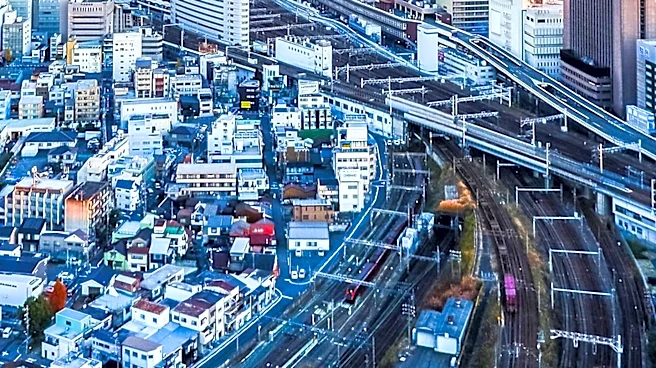
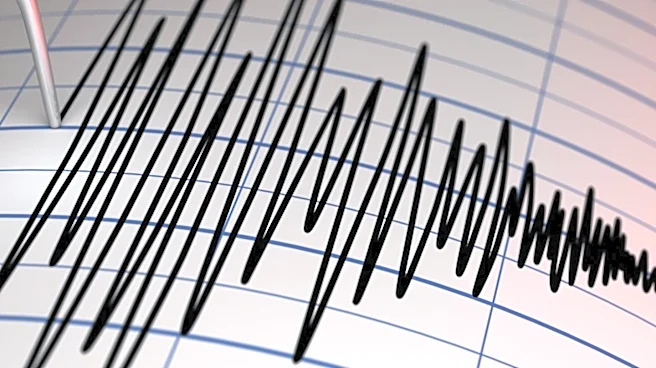
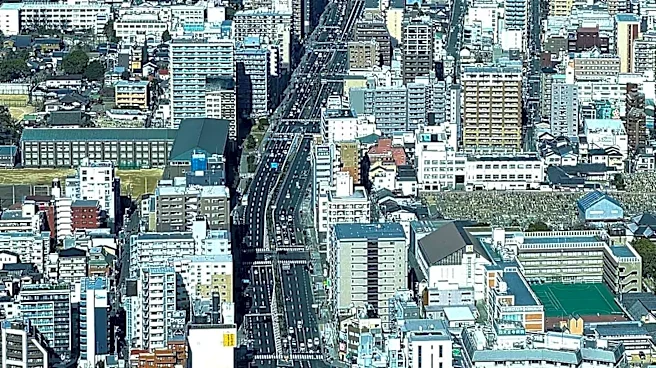
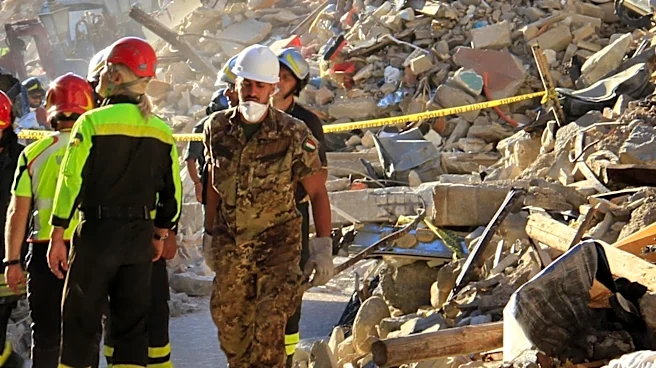
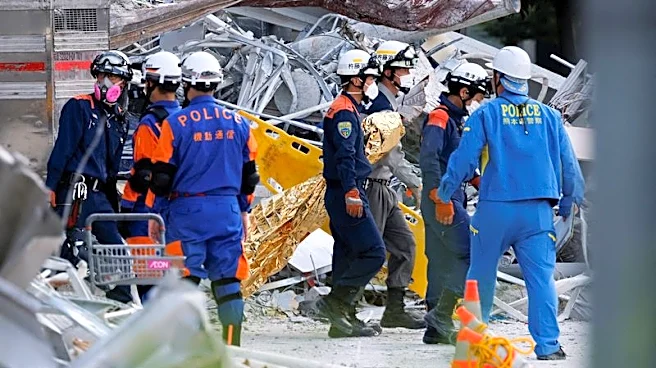
A powerful earthquake with a magnitude of 7.1 struck Japan's Kumamoto prefecture, resulting in 38 confirmed deaths. The quake caused significant destruction, with over 3,400 houses damaged and 69,000 households without tap water. Emergency shelters are
housing more than 9,200 evacuees, who are also facing heat and water shortages. The earthquake has highlighted Japan's vulnerability to seismic activity, as it is located on the Pacific 'Ring of Fire,' an area known for frequent earthquakes.
Why It's Important?
The earthquake in Japan underscores the ongoing risks faced by countries situated in seismically active regions. The disaster has significant implications for emergency preparedness and infrastructure resilience. It also highlights the need for effective disaster response strategies to mitigate the impact on affected populations. The situation in Japan serves as a reminder for other countries, including the U.S., to evaluate their own preparedness for natural disasters and to invest in infrastructure that can withstand such events.
What's Next?
In the aftermath of the earthquake, Japanese authorities will likely focus on recovery efforts, including restoring essential services and rebuilding damaged infrastructure. There may also be increased scrutiny on building codes and disaster preparedness measures to prevent similar devastation in the future. The international community may offer support and assistance, and there could be discussions on improving global cooperation in disaster response and management.