





What's Happening?
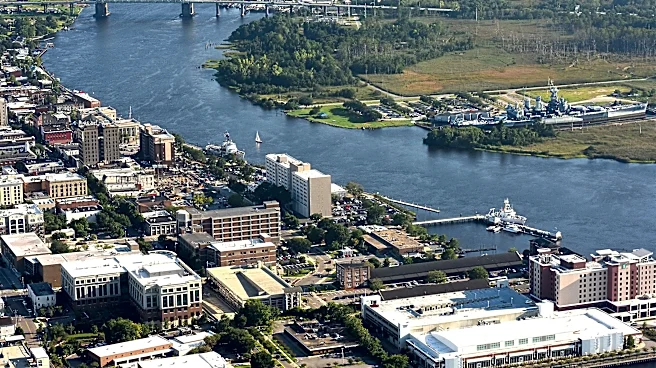
New Hanover County commissioners have unanimously requested assistance from North Carolina's congressional representatives, including Congressman David Rouzer, to address the height requirement for the Cape Fear Memorial Bridge. Local officials are challenging
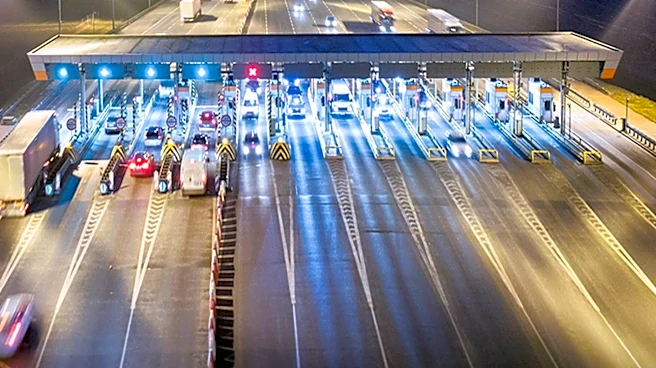
the federal regulation that mandates any new bridge be 135 feet tall, arguing that this requirement significantly drives up the estimated cost, potentially necessitating a toll. The current 135-foot height, set by the U.S. Army Corps of Engineers based on a mid-1990s study, is deemed excessive by local authorities given the infrequent large vessel traffic north of the bridge in areas not dredged for larger ships. The commissioners, along with the City of Wilmington and the town of Leland, are advocating for a lower clearance requirement, suggesting a height between 65 and 100 feet. They believe a shorter bridge could be funded by existing state and federal grants, including a $242 million federal grant, without imposing a toll on residents. Additionally, they have asked for an extension to the federal grant deadline, which currently requires the Wilmington Urban Area Metropolitan Planning Organization (WMPO) to obligate funds for a preferred alternative by the end of September 2027. If the height requirement cannot be altered, they have requested increased federal funding to cover the higher costs associated with the current federal mandate.
Why It's Important?
This initiative is important because it directly impacts the financial burden on local taxpayers and the feasibility of critical infrastructure projects in North Carolina. The current federal height requirement for the Cape Fear Memorial Bridge is projected to result in a cost exceeding $1 billion, a sum that local officials fear will necessitate a toll, placing an additional financial strain on commuters and businesses. A successful reduction in the height requirement could save hundreds of millions of dollars, allowing the project to proceed without a toll and potentially freeing up state and federal funds for other essential infrastructure developments. The outcome of this request will also set a precedent for how federal regulations interact with local needs and economic realities in infrastructure planning. It highlights a broader tension between federal standards, which aim for long-term navigability and national interests, and local concerns regarding cost, environmental impact, and community disruption. The involvement of congressional representatives underscores the political dimension of infrastructure development and the need for federal-local collaboration to find pragmatic solutions that serve both national guidelines and regional welfare.
What's Next?
New Hanover County commissioners, along with the City of Wilmington and the town of Leland, are actively exploring options beyond the two current proposals from the North Carolina Department of Transportation (NCDOT). They hope to present an alternative plan before the public comment period concludes on October 15. NCDOT is expected to select a 'preferred option' by the end of the year. The congressional representatives, including Congressman David Rouzer, Senators Ted Budd and Thom Tillis, will need to engage with the U.S. Army Corps of Engineers and potentially the U.S. Coast Guard to reconsider the navigation channel requirements. The outcome of these discussions will determine if the federal agencies are willing to reassess and modify their guidelines, as has occurred in other bridge projects nationwide. If the height requirement remains unchanged, local officials will push for increased federal contributions to offset the higher construction costs. The ongoing public pushback and the unified stance of local governments suggest continued advocacy for a more cost-effective and less disruptive bridge solution.
Beyond the Headlines
The debate over the Cape Fear Memorial Bridge's height requirement extends beyond immediate construction costs and tolls, touching upon fundamental questions of federal oversight versus local autonomy in infrastructure development. The reliance on a mid-1990s study for current federal regulations raises concerns about the adaptability of federal standards to evolving local conditions and economic realities. This situation highlights a broader challenge in U.S. infrastructure planning, where national guidelines, while ensuring consistency and safety, can sometimes impose disproportionate burdens on specific communities. The push for a lower bridge also reflects a growing public sentiment against tolls, indicating a desire for publicly funded infrastructure that does not add direct user fees. Furthermore, the discussion implicitly questions the balance between supporting commercial navigation, which benefits from higher clearances, and the economic and environmental impacts on the local populace. The resolution of this issue could influence future federal-local partnerships in infrastructure projects, potentially leading to more flexible regulatory frameworks that better integrate local input and financial constraints.