






What's Happening?
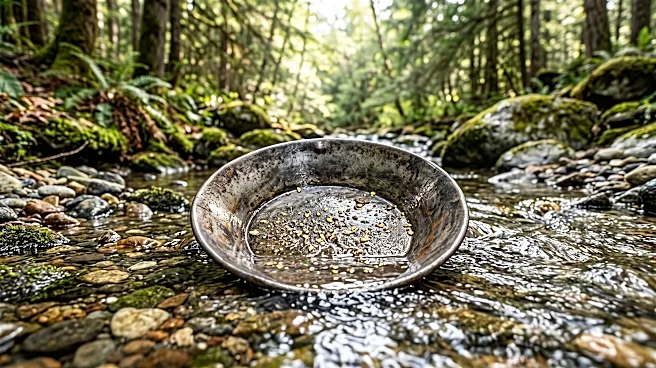
Recreational gold panning is generally permitted in many U.S. National Forests, primarily using non-motorized hand tools. However, regulations and permit requirements can differ significantly from one forest to another. For instance, a free permit is legally
mandated for gold panning in White Mountain National Forest, with non-compliance potentially leading to fines. Certain areas within National Forests, such as Designated Wilderness Areas, Wild and Scenic River corridors, private land, and existing mining claims, are typically off-limits for prospecting. Resources like the Forest Service Interactive Map and the BLM Mineral & Land Records System are available to help individuals identify permissible panning locations. Historically significant gold-yielding areas, including Black Hills National Forest, Eldorado National Forest, Kootenai National Forest, Prescott National Forest, Uwharrie National Forest, and Boise National Forest, continue to attract recreational panners.
Why It's Important?
The allowance of recreational gold panning in National Forests is important as it preserves a historical American pastime and provides unique outdoor recreational opportunities. It connects individuals with the rich history of the American gold rushes and offers an accessible way to engage with nature. However, the varying regulations underscore the need for responsible recreation and environmental stewardship. Adherence to specific forest rules, including avoiding restricted areas and using only non-motorized tools, is crucial to prevent environmental damage and conflicts with other land uses or private claims. This activity, while unlikely to yield significant wealth for most, fosters an appreciation for geology and natural resources, contributing to a broader understanding of conservation and the careful management of public lands.
What's Next?
Individuals planning to engage in recreational gold panning in U.S. National Forests should thoroughly research the specific regulations of their chosen forest prior to their visit. This includes checking for permit requirements, identifying restricted areas, and understanding any limitations on tools or methods. Utilizing online resources like the Forest Service Interactive Map and contacting local Ranger Districts are recommended steps to ensure compliance. As interest in outdoor activities continues, National Forests may periodically review and update their regulations to balance recreational access with conservation goals. Future developments could include enhanced educational materials for panners or adjustments to permit systems to better manage visitor impact and protect sensitive ecosystems.
Beyond the Headlines
Beyond the immediate pursuit of gold, recreational panning in National Forests touches upon deeper themes of heritage, personal discovery, and the human connection to the land. It represents a continuation of a frontier spirit, offering a tangible link to the past and the challenges faced by early prospectors. This activity, often undertaken in remote and scenic locations, encourages self-reliance and an intimate engagement with natural landscapes, fostering a sense of adventure and exploration. It also subtly educates participants about geological processes and the formation of mineral deposits. The act of sifting through sediment, even for a small speck of gold, can be a meditative and rewarding experience, providing a unique blend of outdoor recreation, historical immersion, and a quiet appreciation for the natural world's hidden treasures.