




What's Happening?
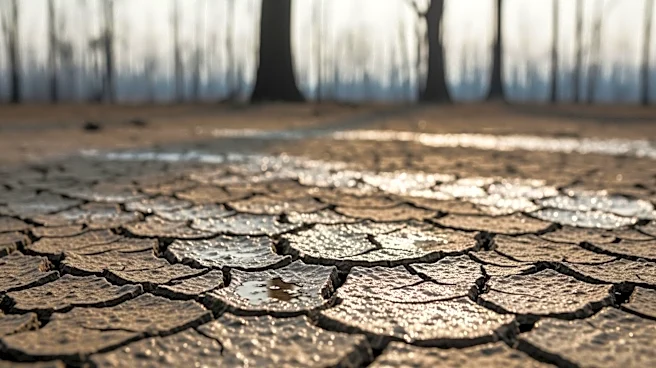
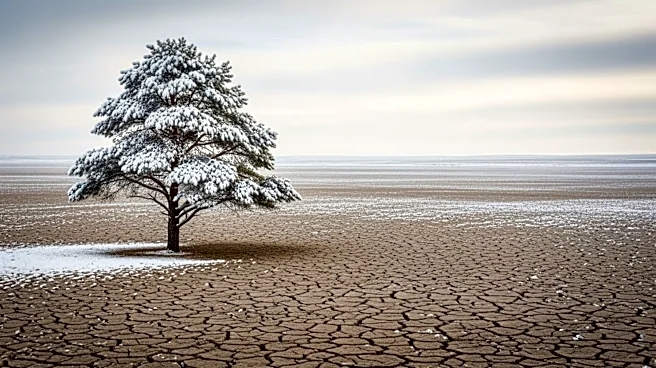
A rare May snowstorm has brought some relief to the drought-stricken areas of Colorado, delivering much-needed moisture to parts of the state. Despite this influx of precipitation, experts caution that the snowstorm is not sufficient to end the ongoing
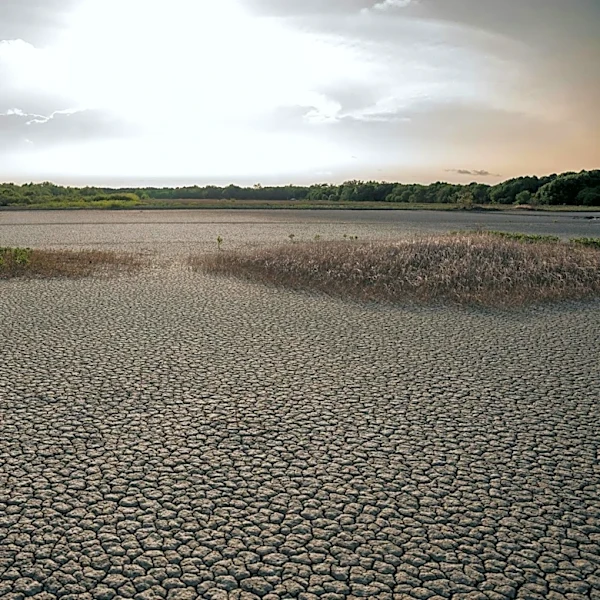
drought conditions. The storm's impact was uneven, with some regions experiencing more significant moisture than others. This weather event highlights the persistent challenges Colorado faces in managing its water resources amid fluctuating climate patterns. The state has been grappling with varying degrees of drought, which affects agriculture, water supply, and the overall ecosystem.
Why It's Important?
The recent snowstorm underscores the ongoing struggle against drought in Colorado, a state heavily reliant on consistent water supply for its agricultural and urban needs. While the moisture is a welcome reprieve, it is not a long-term solution to the water scarcity issues exacerbated by climate change. The drought impacts not only the agricultural sector but also urban water management and natural ecosystems. Prolonged drought conditions can lead to increased water restrictions, higher costs for water-dependent industries, and stress on local wildlife and vegetation. The situation calls for strategic water management and conservation efforts to mitigate the long-term effects of drought.
What's Next?
Moving forward, Colorado will need to continue monitoring weather patterns and managing water resources carefully. State officials and water management agencies may need to implement further conservation measures and explore alternative water sources to ensure sustainability. The agricultural sector, in particular, may need to adapt to changing water availability through innovative farming practices and crop selection. Additionally, the state may consider investing in infrastructure to capture and store water more effectively during periods of precipitation. Public awareness and community involvement in water conservation efforts will also be crucial in addressing the ongoing drought challenges.