






What's Happening?
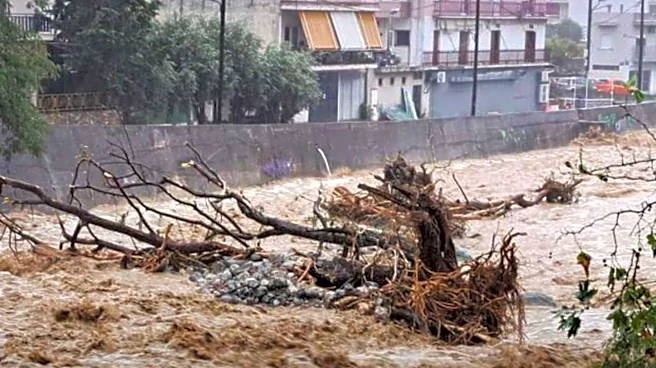
Nepal has released the names of 2,465 individuals who went missing after devastating floods struck the Himalayan nation on August 26. The list includes 2,294 Nepali nationals from 32 districts and 171 foreign nationals from seven countries. This announcement
comes a month after the Nepalese government concluded its 40-day search-and-rescue operation for victims of the Bhotekoshi-Trishuli floods, which resulted in at least 1,455 fatalities and left 5,285 people initially reported missing, according to Nepal's National Disaster Risk Reduction and Management Authority (NDRRMA). The NDRRMA clarified that the published list only includes individuals whose missing status has been verified by their respective District Disaster Risk Reduction and Management Committees. Rasuwa district accounts for the highest number of missing Nepali nationals, with 1,538 individuals. Among the missing foreign nationals, 54 are from Malaysia and Ukraine each, 33 from Australia, 11 from Russia, nine from South Korea, eight from Germany, and two from Italy. The NDRRMA has not yet received a verified list of missing Indian nationals from the Indian Embassy.
Why It's Important?
The release of this list is a critical step in providing clarity and closure for families affected by the August floods. The high number of missing persons, including a significant foreign contingent, underscores the widespread impact of the disaster and the challenges faced by Nepal in managing such large-scale humanitarian crises. For the families of the missing, this official list provides a basis for further action, whether it be continuing searches or initiating processes related to their loved ones' presumed status. The inclusion of foreign nationals also highlights the international dimension of the disaster, potentially prompting diplomatic engagement and support from the affected countries. The ongoing efforts to verify and update the list reflect the complexities of disaster response in remote and mountainous regions, where communication and access can be severely hampered. The situation also brings to light the vulnerability of communities in Nepal to natural disasters and the need for robust disaster preparedness and response mechanisms.
What's Next?
The NDRRMA has urged individuals listed as missing, or their immediate family members, to submit a claim within seven days if they are subsequently found to be alive or located. This indicates a continued effort to refine the data and account for all individuals. The authority also stated that it would issue a revised notice upon receiving further information from district administration offices in the 32 affected districts and relevant diplomatic missions. This suggests that the list is not final and may be updated as more verified information becomes available. With the search-and-rescue operations concluded, Nepal's focus has shifted towards rehabilitation and reconstruction in the affected areas. This will involve long-term efforts to rebuild infrastructure, provide housing, and support the livelihoods of those displaced or impacted by the floods. The government will likely continue to coordinate with international aid organizations and foreign governments to facilitate these recovery efforts.
Beyond the Headlines
The recurring nature of devastating floods in Nepal, as highlighted by this event, points to deeper issues related to climate change, environmental degradation, and inadequate infrastructure in vulnerable regions. The Bhotekoshi-Trishuli floods, originating near the Nepal-Tibet border, underscore the transboundary nature of some environmental challenges. The long-term implications extend to the displacement of communities, potential internal migration, and the economic strain on a developing nation. The challenges in accurately accounting for missing persons also reveal systemic issues in data collection and disaster management in remote areas. Furthermore, the repeated need for resettlement in Nepal, as discussed in broader analyses, indicates a persistent struggle to establish safe and permanent living solutions for populations in high-risk zones. This situation calls for a comprehensive approach that integrates climate resilience, sustainable development, and improved disaster risk reduction strategies to prevent future tragedies and ensure the safety and well-being of its citizens.