





What's Happening?
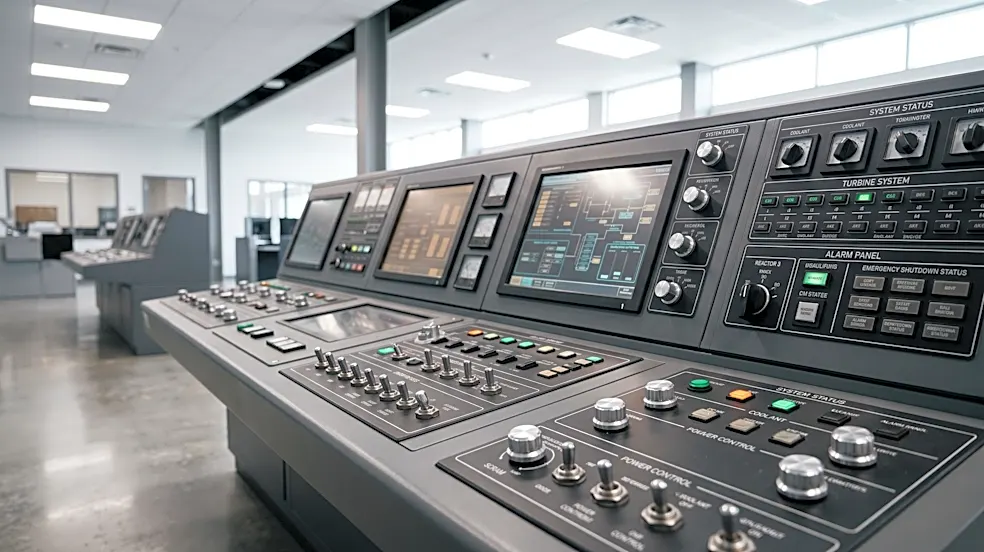
Curtiss-Wright Corporation has successfully developed and installed the Stage 1 Natrium Training Simulator at TerraPower’s Natrium plant site in Kemmerer, Wyoming. This simulator functions as a digital twin of the nuclear facility, providing real-time
simulations of system conditions. The technology, which runs on Curtiss-Wright’s 3KEYMASTER software, is designed to train control room staff and enable them to obtain licenses before the actual plant becomes operational. Lynn M. Bamford, Chair and CEO of Curtiss-Wright Corporation, stated that this installation marks a key milestone in their collaboration with TerraPower, showcasing their ability to apply advanced technologies and expertise to next-generation nuclear reactors. George Piccard, Vice President Plant Operations at TerraPower, emphasized that this advanced approach to operator training is crucial for scaling a qualified nuclear workforce for future Natrium plants. Beyond the simulator, Curtiss-Wright’s Nuclear Division is also responsible for building the plant’s Distributed Control Systems and Reactor Protection System.
Why It's Important?
The installation of the Natrium Training Simulator is a significant step for the U.S. nuclear energy sector, particularly in the development of advanced reactors. This technology ensures that a highly skilled workforce is prepared to operate the Kemmerer Unit 1, which is poised to be the first utility-scale advanced nuclear power plant. The ability to train operators in a simulated environment before plant completion can significantly reduce operational risks and accelerate the deployment of new nuclear facilities. This initiative supports the expansion of the U.S. reactor fleet and addresses the growing demand for reliable and clean energy. For Curtiss-Wright, this project reinforces its position as a leading global supplier of nuclear reactor technologies, potentially opening doors for further involvement in advanced reactor projects. For TerraPower, it ensures that their innovative Natrium reactor design, which includes a 345-megawatt sodium-cooled fast reactor with a molten salt energy storage system, can be operated safely and efficiently from its inception.
What's Next?
The immediate next step involves the continued training and licensing of control room staff using the Natrium Training Simulator. This will ensure that operators are fully prepared well in advance of the Kemmerer Unit 1 plant becoming operational. As the plant progresses towards completion, Curtiss-Wright will continue its work on building the Distributed Control Systems and Reactor Protection System. The successful deployment and operation of this advanced nuclear reactor could serve as a model for future projects, potentially accelerating the adoption of similar technologies across the U.S. The collaboration between Curtiss-Wright and TerraPower is expected to continue, with potential for further technological advancements and support for additional Natrium plants. The experience gained from this project will likely influence future regulatory and operational standards for advanced nuclear reactors.
Beyond the Headlines
The development and implementation of the Natrium Training Simulator highlight a broader trend towards integrating digital twin technology into critical infrastructure projects. This approach not only enhances safety and operational efficiency but also addresses the challenge of workforce development in highly specialized fields like nuclear energy. The use of advanced simulation for training can mitigate human error, a critical factor in nuclear operations, and foster a culture of preparedness. Furthermore, the Natrium reactor's design, with its molten salt energy storage system, represents a significant innovation in energy generation, offering stable output with the capability to quickly increase power during peak demand. This could have long-term implications for grid stability and the integration of renewable energy sources, as advanced nuclear power can provide a reliable baseload while complementing intermittent renewables. The project also underscores the importance of public-private partnerships in advancing complex technological solutions for national energy security.