







What's Happening?
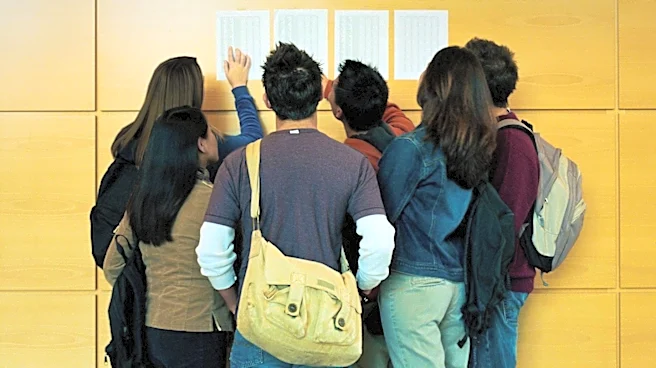
Students enrolled in Professor Fei Fang’s Personal Finance class at Clark University’s School of Business recently took a field trip to the Federal Reserve Bank of Boston. The visit was designed to provide students with practical, real-world applications
of the foundational financial principles they are learning in the course. The Personal Finance curriculum covers a range of topics essential for informed financial decision-making and developing sustainable financial habits. These topics include the time value of money, saving strategies, credit management, loans, investment fundamentals, evaluating job offers, long-term financial planning, and the use of AI-based tools to support personal financial decisions. The field trip offered students an opportunity to gain insights into the operations and functions of a major financial institution, connecting their classroom learning with the broader financial ecosystem.
Why It's Important?
This field trip is significant because it bridges the gap between theoretical financial education and practical understanding, which is crucial for students entering an increasingly complex financial world. By visiting the Federal Reserve Bank of Boston, students gain firsthand exposure to the institutions that shape economic policy and financial markets. This experience can deepen their comprehension of concepts like monetary policy, banking regulations, and the overall stability of the financial system, which directly impact their personal financial decisions. Understanding these broader economic forces is vital for making informed choices about saving, investing, and managing debt. Furthermore, the emphasis on AI-based tools in the curriculum highlights the evolving landscape of personal finance, preparing students for future technological advancements in financial management. Such experiential learning opportunities enhance critical thinking and practical skills, making students more financially literate and capable citizens.
Beyond the Headlines
The integration of field trips to institutions like the Federal Reserve Bank of Boston into academic curricula reflects a growing recognition of the importance of experiential learning in higher education. Beyond the immediate financial lessons, such visits can inspire students to consider careers in finance, economics, or public service. It also provides a tangible connection to the civic responsibility associated with financial literacy, as understanding economic principles is fundamental to participating in a democratic society. The inclusion of AI-based tools in the Personal Finance course signals a forward-thinking approach to education, acknowledging the transformative role of technology in all aspects of life, including personal money management. This blend of traditional financial wisdom with modern technological applications prepares students not just for personal financial success but also for navigating the broader economic shifts driven by innovation.