



What's Happening?
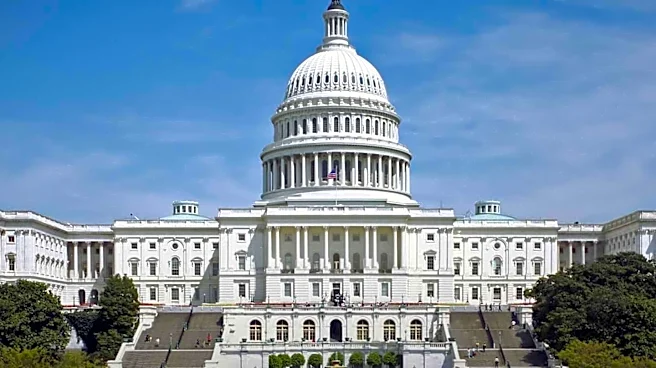
On September 3, 2026, Ranking Member Frank Pallone, Jr. (D-NJ) of the U.S. House of Representatives Energy and Commerce Committee sent letters to six independent dispute resolution entities (IDREs) certified under the No Surprises Act (NSA). The Committee is requesting
detailed information on how these companies are conducting arbitrations and their compliance with the NSA. This inquiry comes in response to a higher-than-anticipated volume of independent dispute resolution (IDR) cases and a trend of awards favoring healthcare providers. The NSA, enacted as part of the Consolidated Appropriations Act, 2021, aims to prevent patients from receiving surprise balance bills for out-of-network emergency care. A recent Fifth Circuit Court of Appeals ruling found that agency rules led to "artificially low" qualifying payment amounts (QPAs), resulting in providers prevailing in over 80% of arbitrations and arbitrators selecting higher reimbursement rates in 85% of cases.
Why It's Important?
This congressional inquiry is crucial for understanding the effectiveness and fairness of the No Surprises Act's arbitration process, which directly impacts healthcare providers, insurers, and ultimately, patients across the U.S. The high volume of IDR cases and the consistent favoring of providers in arbitration awards suggest potential imbalances or unintended consequences in the NSA's implementation. If the arbitration process is not functioning as intended, it could lead to increased healthcare costs, as insurers may pass on higher reimbursement rates to consumers through premiums. Conversely, if providers are not adequately compensated, it could affect access to care, particularly for emergency and out-of-network services. The Committee's investigation into IDRE practices, including their use of artificial intelligence and financial relationships, aims to ensure transparency and accountability in a critical component of healthcare cost containment.
What's Next?
The IDREs are required to respond to the Committee's request for documents and information by September 24, 2026. This information will likely inform future legislative actions or regulatory adjustments to the No Surprises Act. Given the competing interests of healthcare providers and insurers, and the increasing governmental and public scrutiny, further legislative action, litigation, and other initiatives are anticipated to address the reimbursement of emergency and other out-of-network providers. The outcome of this inquiry could lead to revised guidelines for IDREs, changes in how QPAs are calculated, or even amendments to the NSA itself, all of which would have significant ramifications for the U.S. healthcare industry and patient costs.
Beyond the Headlines
The challenges faced by the No Surprises Act highlight the inherent complexities of regulating healthcare costs and ensuring fair compensation while protecting consumers. The reliance on independent arbitration, while intended to be neutral, has revealed vulnerabilities, particularly concerning the calculation of qualifying payment amounts and the potential for systemic biases. This situation underscores the broader tension between market-based solutions and regulatory oversight in healthcare. The Committee's focus on IDRE practices, including the use of AI, also raises ethical and operational questions about the role of technology in dispute resolution and the need for robust oversight to prevent algorithmic biases or conflicts of interest. The long-term success of the NSA, and similar future legislation, will depend on continuous evaluation and adaptation to ensure it achieves its intended goals without creating new unintended consequences.