







What's Happening?
At the ASCO 2026 education session, experts discussed the compounded challenges faced by cancer care due to war, natural disasters, and policy decisions. Dr. Nazik Hammad highlighted the plight of refugees, particularly in Africa, who have limited access
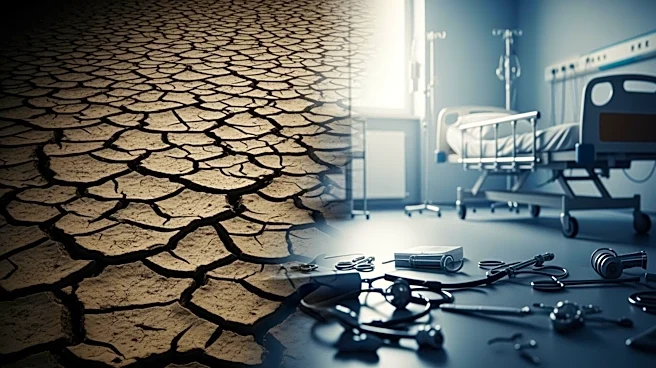
to cancer care due to destroyed infrastructure and redirected medical resources. The session also addressed the impact of climate-related disasters on medical care, with Dr. Manali Patel emphasizing the lack of data linking these events to cancer outcomes. The session called for greater global solidarity and inclusion of cancer care in humanitarian agendas.
Why It's Important?
The discussions at ASCO underscore the urgent need for global cooperation to address the disparities in cancer care access, particularly in conflict and disaster-affected regions. The lack of infrastructure and resources in these areas exacerbates health inequities, leading to preventable deaths. The session highlights the importance of integrating cancer care into broader humanitarian efforts and the need for data-driven approaches to understand the full impact of climate and conflict on health outcomes. This could influence future policy and funding decisions at both national and international levels.
What's Next?
The session calls for increased international collaboration to prioritize cancer care in humanitarian and peace agendas. This may lead to new initiatives aimed at improving healthcare infrastructure in conflict zones and disaster-prone areas. Additionally, there may be efforts to enhance data collection and research to better understand the long-term impacts of these challenges on cancer outcomes. Advocacy for policy changes to support vulnerable populations, including refugees and undocumented immigrants, is also likely to gain momentum.