


What's Happening?
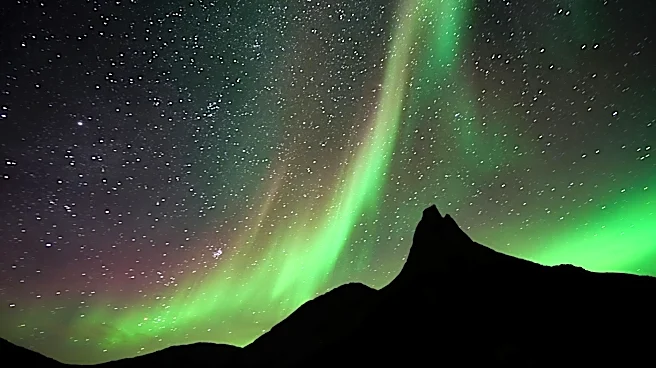
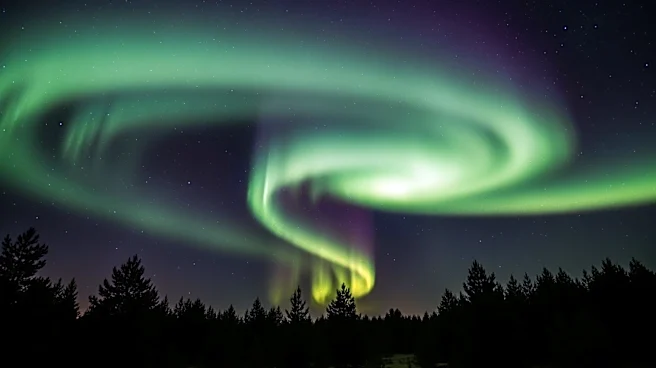
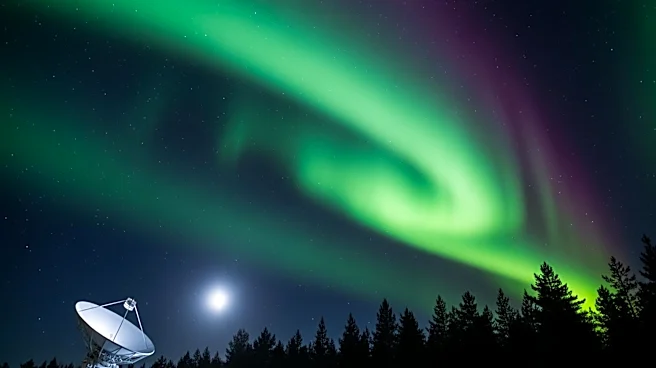
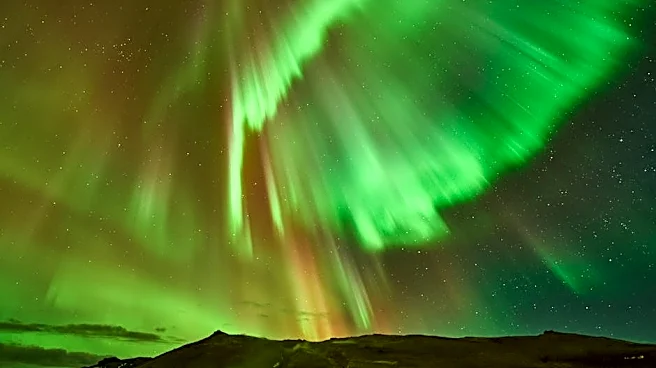
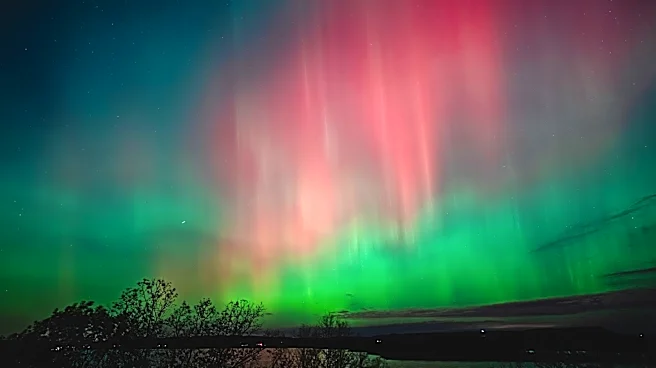
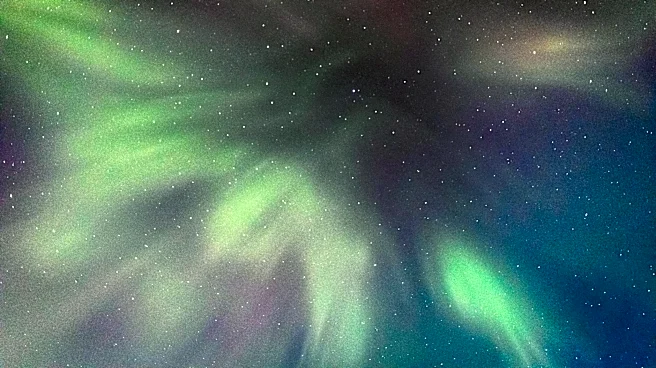
A powerful geomagnetic storm is approaching Earth, potentially allowing skywatchers across the northern U.S. to witness the northern lights on Thursday night. The National Oceanic and Atmospheric Administration (NOAA) has issued a G3, or strong, geomagnetic storm watch for
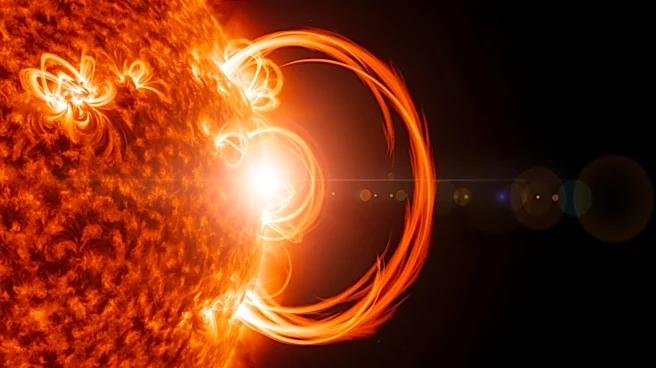
Thursday and Friday. This follows the Sun's recent activity, which included three powerful solar flares from sunspot Region 4455. These flares may have launched multiple coronal mass ejections (CMEs) toward Earth, which can trigger geomagnetic storms and auroral displays when interacting with Earth's magnetic field.
Why It's Important?
The geomagnetic storm could have significant impacts on technology and infrastructure. Power systems might require adjustments, and satellite operations could face challenges such as surface charging and increased drag. Navigation and communication systems might experience disruptions. The potential visibility of the northern lights in more southern regions presents a rare opportunity for skywatchers and could boost local tourism. However, the storms also pose risks to infrastructure and technology, highlighting the need for preparedness in affected areas.
What's Next?
As the geomagnetic storms progress, NOAA and other space weather agencies will continue to monitor the situation closely. Real-time updates will be crucial for managing potential impacts on power grids and communication systems. Skywatchers are advised to check aurora forecasts and webcams for the best viewing opportunities. The exact intensity and timing of the auroral displays remain uncertain, and conditions can change rapidly. Stakeholders in affected industries should remain vigilant and prepared for possible disruptions.