




What's Happening?
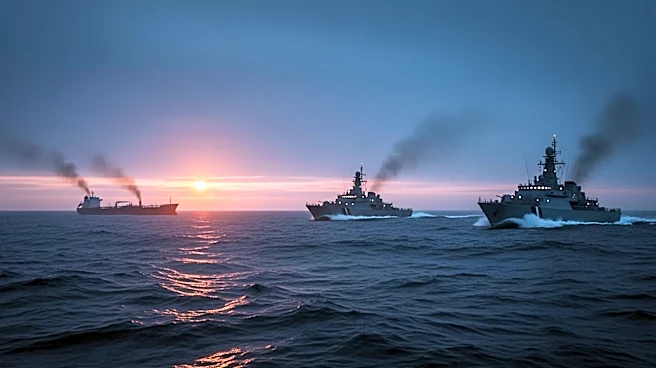
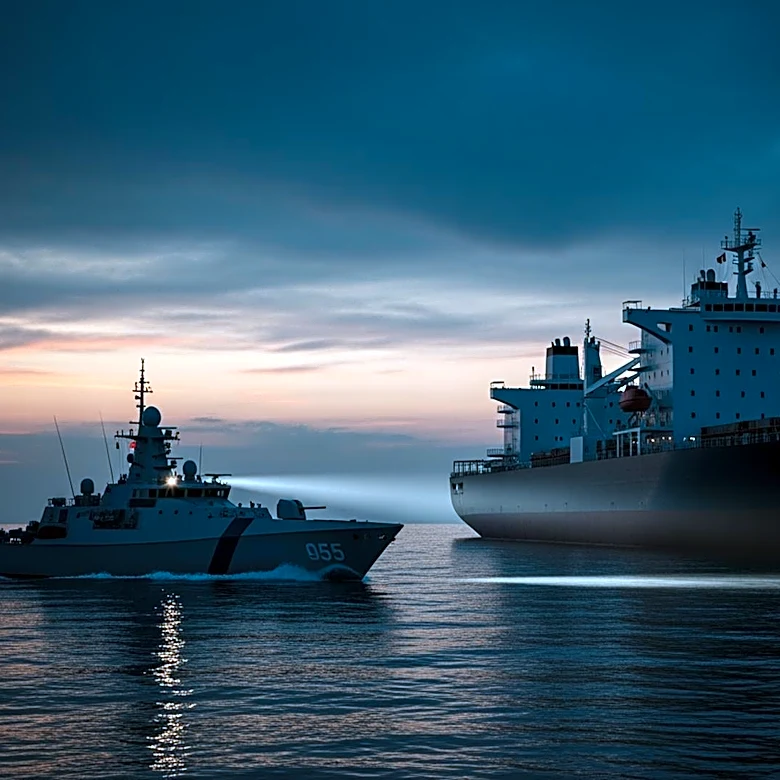
Iran has announced the closure of the Strait of Hormuz, a critical waterway for global oil shipments, in response to a U.S. Navy blockade on Iranian ports. This decision comes shortly after Iran had declared the strait open, marking a significant reversal.
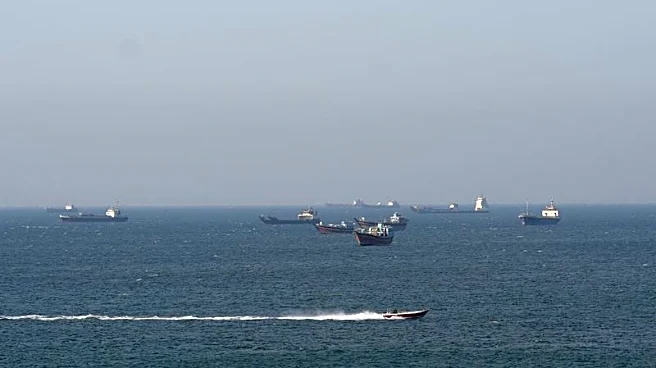
The closure follows reports of Iran's Revolutionary Guard allegedly opening fire on two ships attempting to pass through the strait. The Strait of Hormuz is a strategic chokepoint, with a significant portion of the world's oil passing through it, making its closure a matter of international concern.
Why It's Important?
The closure of the Strait of Hormuz could have profound implications for global oil markets, potentially leading to increased oil prices and affecting economies worldwide. The U.S. Navy blockade and Iran's response highlight escalating tensions between the two nations, which could impact diplomatic relations and regional stability. The strait's closure may also affect shipping routes and insurance costs for vessels navigating the area, further complicating international trade.
What's Next?
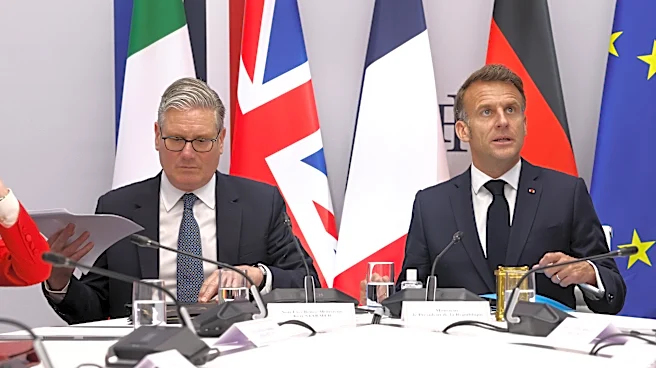
The international community is likely to monitor the situation closely, with potential diplomatic efforts to resolve the blockade and reopen the strait. The U.S. and Iran may engage in negotiations or face increased pressure from other nations dependent on oil shipments through the strait. The situation could lead to further military or economic actions, depending on the responses from both countries.