





What's Happening?
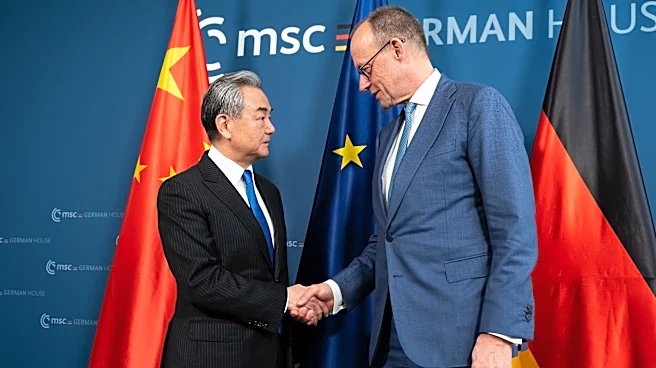
On November 6, 2026, Chinese Vice Premier He Lifeng, who leads China's economic and trade affairs, held a video call with U.S. Treasury Secretary Scott Bessent and U.S. Trade Representative Jamieson Greer. The discussion focused on the U.S.-China trade and economic relationship.
This high-level engagement comes as both nations navigate complex economic ties and ongoing trade discussions. The call provided an opportunity for both sides to address current issues and explore potential areas of cooperation or contention in their bilateral economic relationship. The specific details of the discussions were not fully disclosed in the immediate aftermath, but such dialogues are crucial for managing the world's two largest economies.
Why It's Important?
This video call between top economic officials from the U.S. and China is significant due to the immense global impact of their economic relationship. The U.S. and China are major trading partners, and their economic policies and trade disputes can send ripple effects across international markets. Regular communication at this level is essential for de-escalating tensions, addressing trade imbalances, and fostering a more stable global economic environment. For U.S. industries, particularly those involved in trade with China, these discussions can influence market access, tariff policies, and overall business predictability. The outcomes of such dialogues can affect American consumers through pricing and availability of goods, and American businesses through supply chain stability and export opportunities. The meeting underscores the ongoing effort to manage a complex and often competitive economic relationship.
What's Next?
The video call is likely part of ongoing diplomatic efforts to manage the U.S.-China economic relationship. Future interactions may include further discussions on specific trade issues, potential negotiations on market access, intellectual property rights, and other areas of economic friction. The U.S. and China may continue to engage in both bilateral and multilateral forums to address their economic concerns. The outcomes of these discussions could lead to policy adjustments in either country, impacting global trade flows and investment patterns. Stakeholders, including businesses, investors, and policymakers, will closely monitor any subsequent announcements or policy changes stemming from these high-level engagements, as they could signal shifts in trade strategies or economic cooperation.
Beyond the Headlines
Beyond the immediate trade discussions, this engagement reflects the broader geopolitical competition and cooperation between the U.S. and China. Economic ties are often intertwined with national security interests, technological competition, and global influence. The dialogue could touch upon issues such as supply chain resilience, technological decoupling, and the role of both nations in shaping global economic governance. The ability of these two economic giants to find common ground or manage their disagreements has profound implications for global stability and prosperity. The call also highlights the continued importance of direct communication channels, even amidst broader strategic rivalries, to prevent misunderstandings and manage potential crises in the economic sphere.