






What's Happening?
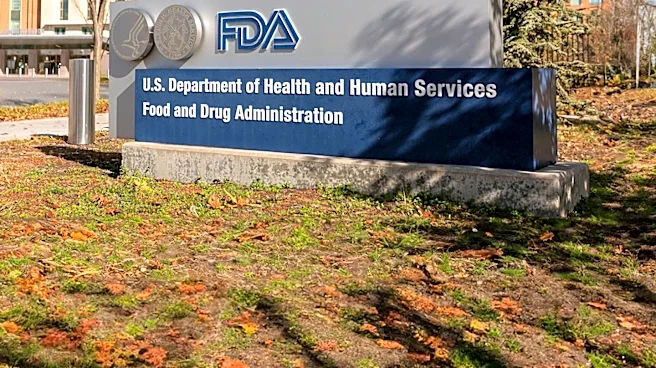
The U.S. Food and Drug Administration (FDA) approved 16 new personalized treatments for rare diseases in 2023, a significant increase from six approvals in 2022. This surge in approvals highlights a growing trend towards personalized medicine, which tailors
treatments to individual patients based on their unique genetic characteristics, disease susceptibility, and predicted drug response. Beyond rare diseases, the 2023 approvals also included seven cancer therapies and three treatments for other conditions. This shift is driving the demand for genome annotation services, which convert raw genetic data into clinically actionable information to guide diagnosis, treatment selection, and therapeutic development. The global genome annotation services market is projected to reach $2.75 billion by 2030, growing at a compound annual growth rate (CAGR) of 13.9%. Key drivers for this growth include increased demand for personalized medicine research, the adoption of AI-powered bioinformatics platforms, and stronger integration of clinical genomics workflows.
Why It's Important?
The increasing number of FDA approvals for personalized therapies underscores a fundamental shift in the U.S. healthcare landscape, moving away from a 'one-size-fits-all' approach to more individualized treatment strategies. This has profound implications for patients, offering more effective and targeted interventions, particularly for those with rare, chronic, and complex diseases. For the pharmaceutical and biotechnology industries, this trend presents significant opportunities for innovation and market expansion, as companies invest in developing and commercializing these specialized treatments. The growth of the genome annotation services market indicates a burgeoning ecosystem supporting personalized medicine, creating new jobs and driving technological advancements in bioinformatics and AI. Healthcare providers stand to gain from improved diagnostic tools and treatment protocols, leading to better patient outcomes and potentially reduced healthcare costs in the long run by minimizing ineffective treatments.
What's Next?
The momentum in personalized medicine is expected to continue, with further advancements in genomic research and AI-driven bioinformatics. The demand for genome annotation services will likely intensify as more healthcare organizations adopt precision medicine approaches. This will necessitate continued investment in research and development, as well as regulatory frameworks that can keep pace with rapid scientific progress. We can anticipate a greater integration of genomic data into routine clinical practice, leading to more proactive and preventive healthcare. Collaboration between academic institutions, pharmaceutical companies, and technology providers will be crucial to accelerate the development and deployment of new personalized therapies and diagnostic tools. The focus will also be on making these advanced treatments more accessible and affordable to a broader patient population.
Beyond the Headlines
The rise of personalized medicine raises important ethical and societal considerations. Issues such as data privacy and security, equitable access to advanced genomic testing and therapies, and the potential for genetic discrimination will become increasingly prominent. As genetic information becomes central to healthcare decisions, there will be a need for robust ethical guidelines and public education to ensure responsible implementation. Furthermore, the complexity of genomic data and personalized treatment plans will require a highly skilled healthcare workforce capable of interpreting and applying this information effectively. This paradigm shift could also lead to a re-evaluation of healthcare payment models, moving towards value-based care that rewards effective, personalized interventions rather than volume of services.