





What's Happening?
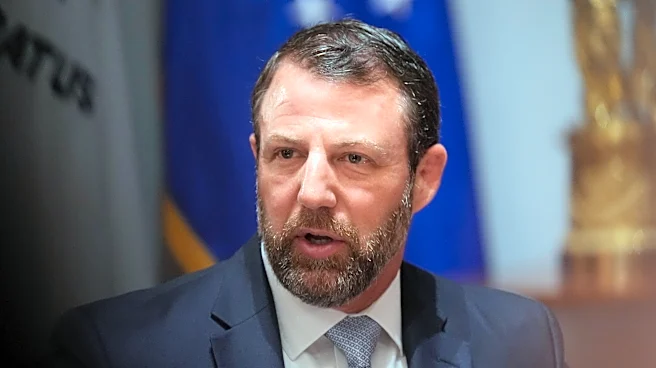
During a Senate hearing, Homeland Security Secretary Markwayne Mullin refused to commit to abiding by federal court orders, sparking controversy. Under questioning from Sen. Chris Murphy, Mullin expressed skepticism about the impartiality of the courts,
suggesting that political bias influences judicial decisions. This stance has raised concerns about the rule of law and the potential for selective compliance with court orders. Mullin's comments come amid scrutiny over the Department of Homeland Security's budget and immigration enforcement policies, particularly in the context of upcoming international events like the World Cup.
Why It's Important?
Mullin's refusal to unequivocally commit to following court orders highlights tensions between the executive branch and the judiciary, raising questions about the separation of powers and the rule of law. This development is significant as it could undermine public trust in the legal system and set a precedent for future administrations. The issue is particularly relevant in the context of immigration enforcement, where court orders play a crucial role in protecting individual rights and ensuring accountability. Mullin's stance may also impact the travel industry and international relations, especially with the World Cup approaching.
What's Next?
The Senate is considering legislation to fund immigration enforcement agencies, with Republicans planning to bypass Democratic support. Mullin's comments may influence the legislative process and public opinion, potentially leading to further political and legal challenges. As the World Cup approaches, the Department of Homeland Security's policies and actions will be closely monitored, with potential implications for international travel and security. Mullin's future appearances before Congress and the administration's response to public and political pressure will be key factors in determining the outcome of this issue.