


What's Happening?
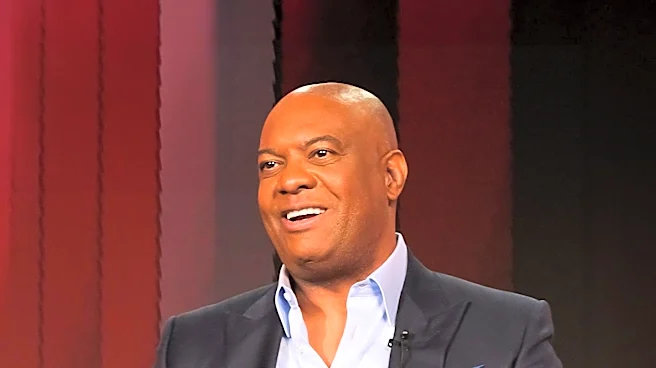
A new dissertation by David Beavers, a former Politico editor turned academic, examines the decline in trust in American media, attributing it to political messaging. Beavers' research suggests that elite criticism, particularly from conservative politicians,
has significantly contributed to this decline. The study highlights two pivotal periods: the Civil Rights Movement era and the rise of conservative media in the 1990s. Beavers argues that American journalism's reliance on rhetorical legitimacy makes it vulnerable to political attacks, which have increasingly polarized public perception of the media.
Why It's Important?
The decline in media trust poses a threat to informed public discourse and democratic accountability. Beavers' findings suggest that political rhetoric, rather than media performance, is a major driver of distrust. This has implications for how media organizations address trust issues and engage with audiences. Understanding the role of political influence can help media outlets develop strategies to rebuild trust and counteract misinformation. The study also highlights the need for media literacy and critical engagement with news sources to foster a more informed public.
Beyond the Headlines
The research raises questions about the future of journalism in a polarized political environment. It suggests that efforts to increase transparency and media literacy may not be sufficient to restore trust. The study calls for a deeper examination of the relationship between media, politics, and public perception. It also highlights the potential for new media models that prioritize community engagement and relational trust-building. The findings underscore the importance of addressing structural challenges in journalism to ensure its role as a pillar of democracy.