


What's Happening?
A judge in north-central Montana has rejected a settlement agreement between Montana’s environmental regulators and two individuals accused of illegal mining activities at the former Zortman-Landusky gold mine complex. This decision sides with the Fort
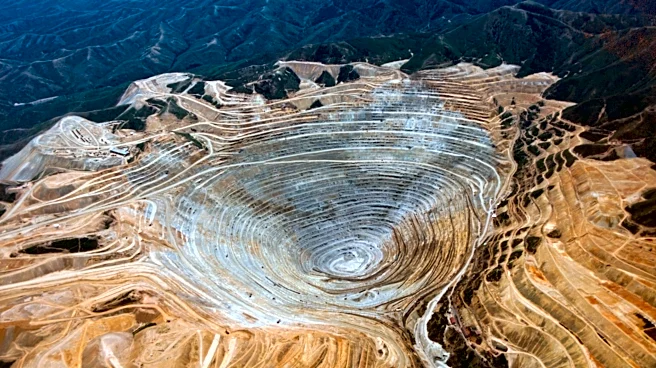
Belknap Indian Community, which had opposed the proposed consent decree. The settlement, which would have required no admission of guilt from the property owners, was intended to resolve accusations of illegal mining. The Fort Belknap Indian Community had previously asked the judge to reject the settlement, highlighting ongoing concerns about the environmental impact of the mine site, particularly acid mine drainage. The Zortman-Landusky mine has been a source of environmental contention for years, with the community advocating for stricter oversight and accountability regarding its remediation.
Why It's Important?
This ruling is significant for several reasons. Firstly, it underscores the growing influence and legal standing of tribal communities in environmental disputes, particularly when their lands and resources are directly affected. The Fort Belknap Indian Community's successful challenge to the settlement demonstrates the judiciary's willingness to consider tribal concerns over agreements made by state regulators. Secondly, it signals a potential shift in how environmental violations at legacy mine sites are addressed in Montana, suggesting that future settlements may face greater scrutiny and require more robust accountability measures. This could set a precedent for other cases involving environmental damage and indigenous rights, potentially leading to more stringent enforcement and remediation efforts across the state and possibly beyond. The decision also highlights the persistent environmental challenges posed by abandoned mines and the ongoing need for effective regulatory frameworks.
What's Next?
Following the judge's rejection of the settlement, the Montana environmental regulators and the accused property owners will likely need to re-evaluate their approach to resolving the alleged mining violations. This could involve negotiating a new settlement that addresses the concerns raised by the Fort Belknap Indian Community and the court, or the case could proceed to further legal proceedings. The Fort Belknap Indian Community will likely continue to advocate for comprehensive environmental remediation and accountability at the Zortman-Landusky site. This decision may also encourage other tribal nations and environmental groups to challenge similar settlements they deem insufficient, potentially leading to a more rigorous enforcement landscape for environmental regulations in the mining sector. The long-term implications for the Zortman-Landusky mine site's cleanup remain to be seen, but increased pressure for a more thorough resolution is anticipated.
Beyond the Headlines
The rejection of this settlement goes beyond the immediate legal dispute, touching upon broader themes of environmental justice and tribal sovereignty. It highlights the historical and ongoing struggle of indigenous communities to protect their ancestral lands and natural resources from industrial pollution. The court's decision can be viewed as a recognition of the unique relationship tribal nations have with their environment and their inherent right to self-determination in matters affecting their well-being. This case could serve as a powerful example for other communities facing similar environmental challenges, empowering them to demand greater transparency and accountability from both corporations and regulatory bodies. It also brings into focus the complex interplay between state environmental regulations, federal Indian law, and the rights of sovereign tribal nations, suggesting a potential for increased legal challenges and a re-evaluation of existing environmental protection frameworks.