

What's Happening?
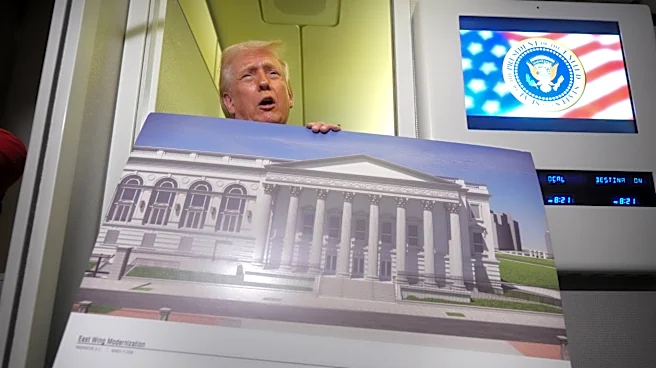
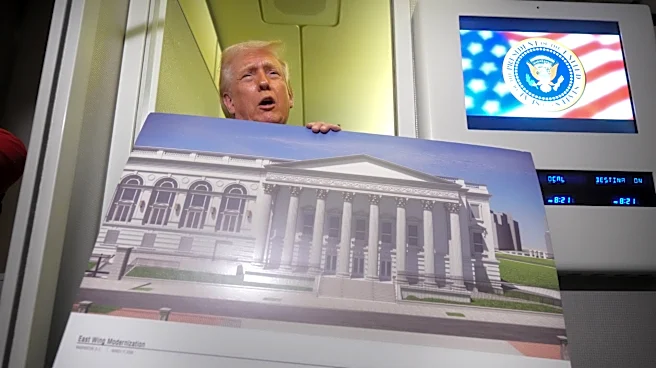
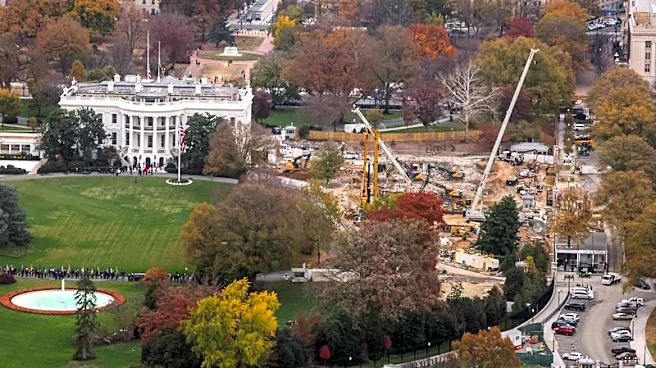
President Donald Trump's plan to construct a new ballroom at the White House has received final approval from the National Capital Planning Commission, despite a federal judge's ruling that halted construction activities. The commission, which includes
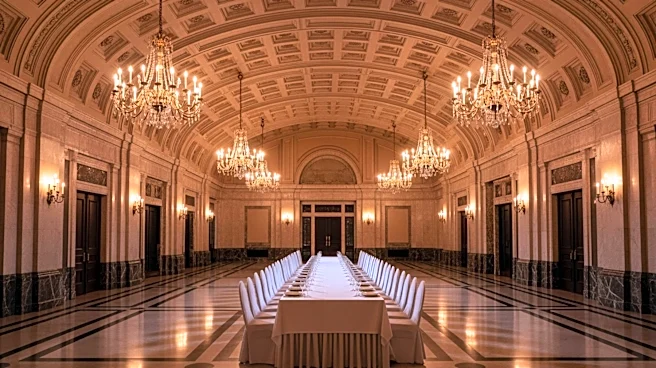
members appointed by Trump, approved the project after considering design changes, such as removing a large staircase and adding an uncovered porch. The ballroom, estimated to cost $400 million, is intended to provide a space for hosting important guests. The project has faced opposition, including a lawsuit from the National Trust for Historic Preservation, which argues that Trump lacks the authority to make such changes without congressional approval. The judge's ruling allows security-related construction to continue but requires a halt to other activities until further approval is obtained.
Why It's Important?
The approval of the White House ballroom project highlights ongoing tensions between presidential authority and legal oversight. The project, which involves significant structural changes to a historic landmark, raises questions about the extent of presidential power in altering federal properties. The legal challenges underscore the importance of adhering to established processes for modifications to national landmarks, which typically require input from multiple oversight bodies and congressional approval. The outcome of this project could set a precedent for future administrations regarding the balance of power and the preservation of historic sites. Additionally, the financial implications, with a mix of private donations and public funding, reflect broader debates about the use of public resources for presidential initiatives.
What's Next?
The legal battle over the White House ballroom is likely to continue, as the National Trust for Historic Preservation seeks to enforce the judge's ruling requiring congressional approval. The project may face further delays if additional legal challenges arise or if Congress decides to intervene. The ongoing construction activities related to security upgrades will proceed, but the broader project remains in limbo pending further legal and political developments. Stakeholders, including preservationists and political leaders, will continue to monitor the situation closely, as the outcome could influence future decisions on federal property modifications.
Beyond the Headlines
The controversy surrounding the White House ballroom project highlights deeper issues related to the preservation of national heritage and the role of private funding in public projects. The involvement of wealthy donors and corporations in financing the ballroom raises ethical questions about influence and access in presidential initiatives. Furthermore, the project reflects broader cultural debates about the modernization of historic sites and the balance between preserving tradition and accommodating contemporary needs. As the legal and political processes unfold, these underlying issues will continue to shape public discourse and policy decisions.