






What's Happening?
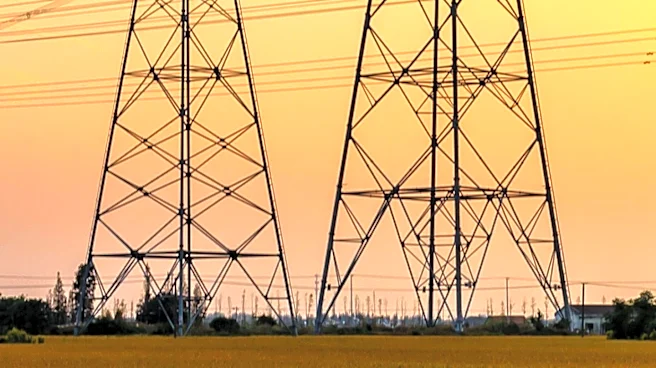
Pacific Gas and Electric Company (PG&E) has submitted a proposed 10-Year Electrical Undergrounding Plan (EUP) to the California Office of Energy Infrastructure Safety. This plan outlines an $11.4 billion investment to bury approximately 5,000 miles of electric
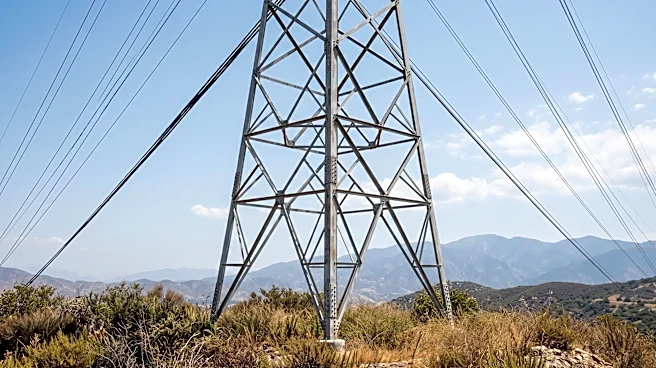
distribution lines between 2028 and 2037. The initiative targets high wildfire-risk areas across Northern and Central California, where undergrounding is expected to significantly reduce the risk of wildfires and improve grid reliability. PG&E anticipates that burying these lines will decrease ignition risk by nearly 98% and lead to 90% fewer outages in the affected regions. The utility estimates that this plan will save customers $6 billion in vegetation management, operations, and maintenance costs over the lifespan of these assets. The project will encompass work in over 30 counties.
Why It's Important?
This ambitious plan by PG&E is critical for California, a state frequently impacted by devastating wildfires, many of which have been linked to overhead power lines. By proactively burying thousands of miles of lines, PG&E aims to enhance public safety, significantly reduce wildfire risks, and improve the reliability of its electric service. The estimated $6 billion in long-term savings for customers, derived from reduced maintenance and operational costs, highlights the economic benefits of this preventative measure. For residents and businesses in high-risk areas, this initiative promises greater peace of mind and more consistent power supply. The plan also sets a precedent for other utilities in wildfire-prone regions across the U.S., demonstrating a large-scale, risk-based approach to infrastructure modernization that prioritizes safety and resilience.
What's Next?
The proposed 10-Year Electrical Undergrounding Plan will undergo review by the California Office of Energy Infrastructure Safety. If approved, the implementation will begin in 2028 and continue through 2037. PG&E will utilize advanced data analytics and risk modeling to identify areas where undergrounding will yield the greatest benefits. The utility has already demonstrated a 25% reduction in undergrounding costs per mile in recent years, suggesting an increased efficiency in project execution. The success of this plan will depend on effective coordination, technological advancements, and careful financial management to ensure the projected benefits are realized and costs are controlled. Other utilities, such as CenterPoint Energy in Houston and Anaheim, California, are also undertaking similar undergrounding or hardening initiatives, indicating a growing trend towards more resilient power infrastructure.
Beyond the Headlines
The decision to bury power lines, while costly upfront, reflects a deeper societal shift towards prioritizing resilience and safety in the face of increasing climate-related challenges. Beyond wildfire prevention, undergrounding offers protection from severe weather events like hurricanes and ice storms, which are becoming more frequent and intense. This move also touches upon aesthetic considerations, as many communities prefer the absence of overhead lines. However, the significant cost of such projects often translates to increased rates for customers, raising questions about equitable distribution of these costs and the willingness of ratepayers to bear them. The long-term benefits, including reduced outages and maintenance, suggest a potential shift in utility business models from reactive repairs to proactive infrastructure investments, ultimately aiming for a more robust and sustainable energy future for the U.S.