





What's Happening?
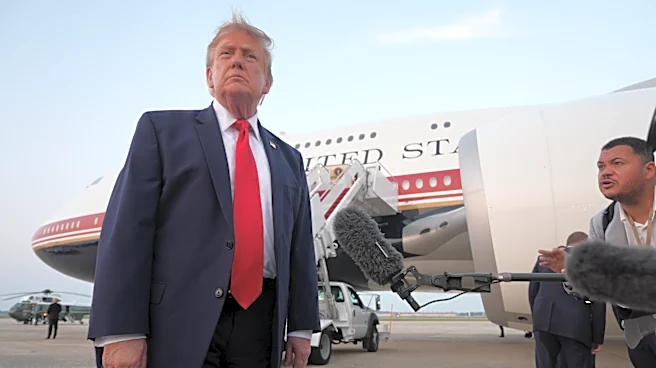
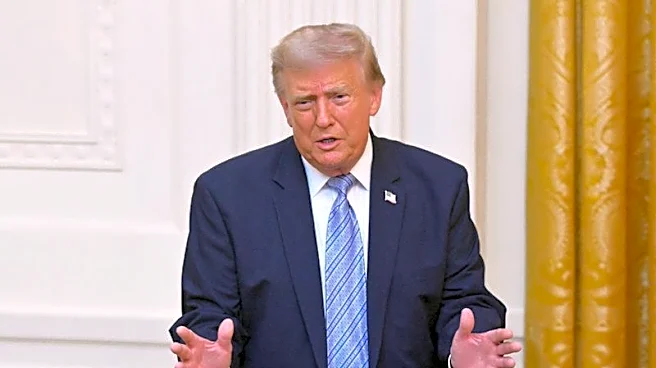
President Donald Trump's approval ratings have reached historically low levels, according to recent national polls. CNN's chief data analyst Harry Enten highlighted that no modern second-term president has been in a weaker position at this point in office.
Recent surveys from CNBC and The Washington Post show Trump's net approval numbers are among the worst of his presidency, with broader polling averages placing his national approval below 40 percent. The findings come as Republicans prepare for the November midterm elections, where control of Congress is at stake. Voter concerns about the economy, inflation, and living costs are expected to play a significant role in the elections.
Why It's Important?
Presidential approval ratings are crucial indicators of the political climate heading into congressional elections. Trump's low approval ratings could impact the electoral prospects for Republicans defending seats in Congress and Democrats aiming to make gains. The economic dissatisfaction among voters, particularly regarding inflation and living costs, poses a challenge for Trump's administration, which promised economic improvements. The approval ratings also reflect broader public sentiment and could influence voter turnout and engagement in the upcoming elections.
What's Next?
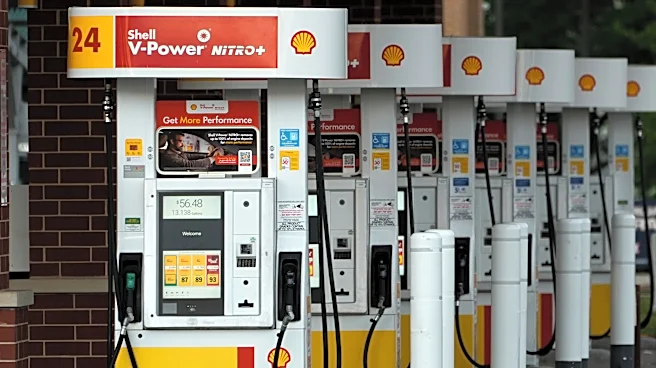
As the midterm elections approach, rising gasoline prices could further pressure Trump's approval ratings. Prediction markets suggest a high probability of gas prices reaching significant levels, which may affect public perception of the administration's economic management. The White House has pushed back against the focus on polling numbers, emphasizing Trump's accomplishments and ongoing efforts to address economic issues. However, the administration faces the challenge of improving public sentiment and addressing economic concerns to bolster support ahead of the elections.