




What's Happening?
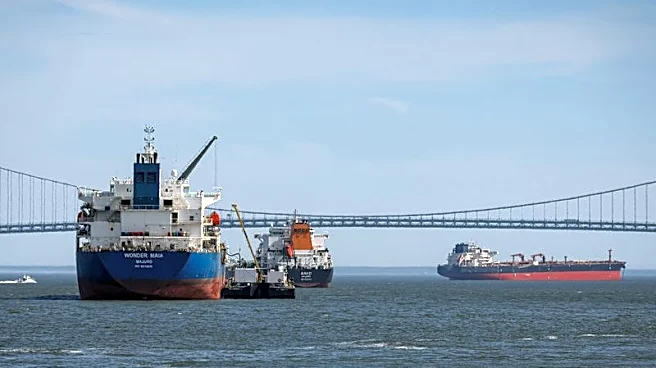
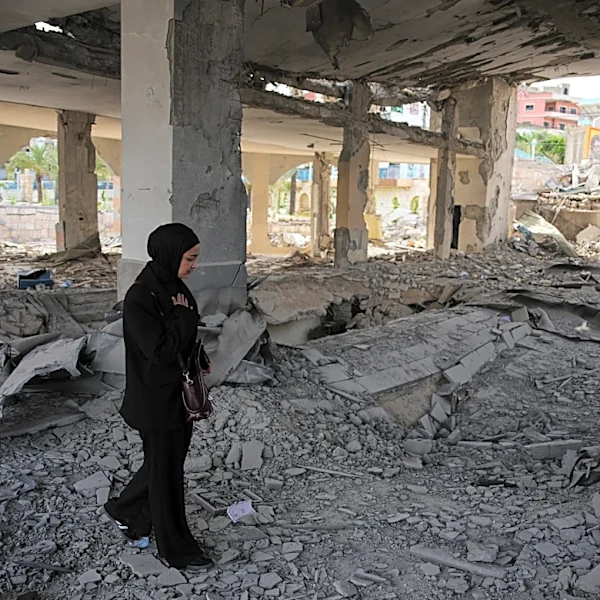
The ongoing Iran war has led to significant disruptions in global energy supplies, particularly affecting Asia and Africa. As a result, countries in these regions are increasingly turning to nuclear power to mitigate the impact of fossil fuel shortages.
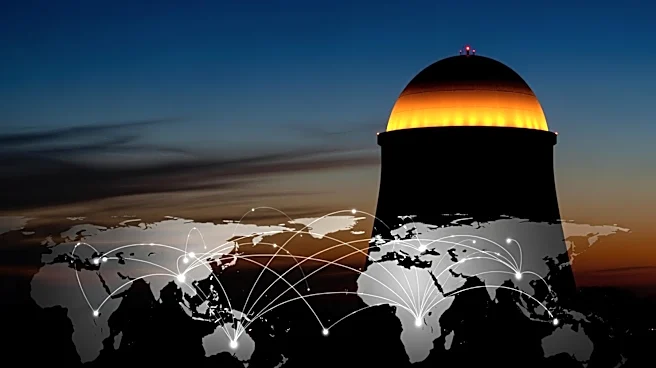
Nations with existing nuclear facilities are ramping up production, while non-nuclear countries are accelerating plans to develop nuclear energy capabilities. This shift is part of a broader 'nuclear renaissance' driven by the need for energy security and stability. The International Atomic Energy Agency reports that 31 countries currently use nuclear power, providing about 10% of global electricity, with another 40 nations considering or preparing to build nuclear plants.
Why It's Important?
The move towards nuclear power in response to the Iran war's energy shock highlights the strategic importance of diversifying energy sources. For countries in Asia and Africa, nuclear energy offers a potential solution to the volatility of fossil fuel markets. However, the development of nuclear power is a long-term commitment, requiring significant investment and time. The shift also underscores the geopolitical dynamics, as nations like the U.S. and Russia vie for influence in providing nuclear technology and expertise. While nuclear power can reduce carbon emissions compared to fossil fuels, it also poses risks such as radioactive waste and potential for nuclear proliferation.
What's Next?
Countries in Asia and Africa are expected to continue pursuing nuclear energy development, with plans for new reactors and increased output from existing facilities. This includes South Korea's efforts to restart offline reactors and Japan's recent agreements to expand nuclear cooperation. In Africa, nations like Kenya and South Africa are exploring small modular reactors as a more feasible option. The competition between global powers to supply nuclear technology is likely to intensify, influencing diplomatic relations and energy policies. Additionally, the debate over the safety and environmental impact of nuclear energy will persist as countries weigh the benefits against the risks.
Beyond the Headlines
The shift towards nuclear power raises ethical and environmental concerns, particularly regarding the management of radioactive waste and the potential for nuclear accidents. The reliance on imported nuclear fuels could also affect national security and energy independence. Furthermore, the focus on nuclear energy may divert attention and resources from renewable energy development, which offers a more sustainable and less risky alternative. The geopolitical implications of nuclear energy expansion, including the risk of nuclear proliferation, will continue to be a critical issue for international relations and global security.