






What's Happening?
The European automotive industry is facing significant challenges, including declining demand for electric vehicles, increased competition from Chinese manufacturers, and higher borrowing costs. In response, some European carmakers are exploring opportunities
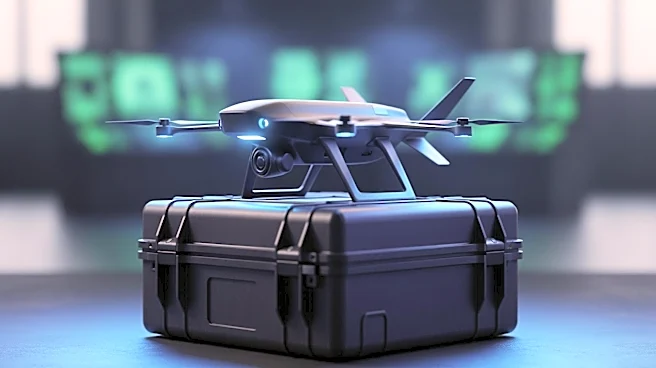
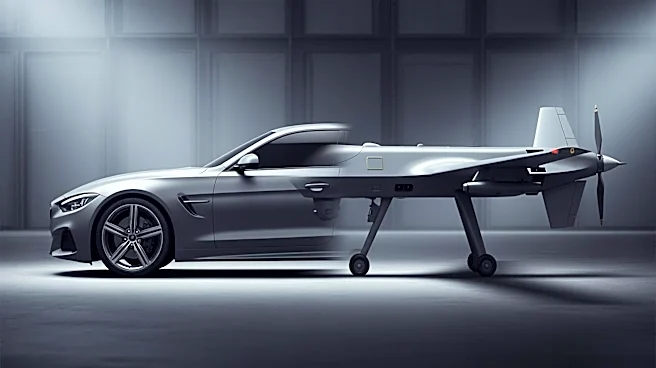
in the defense sector to offset these difficulties. Renault has announced the development of a ground-based drone for military and civilian use, while Volkswagen is in talks with Israeli defense firm Rafael to produce parts for missile defense systems. This shift is seen as a potential lifeline for the struggling auto industry, which has seen a significant drop in sales and share prices over the past five years. However, there are concerns about the feasibility of this transition, as the defense sector operates on a smaller scale compared to the high-volume automotive industry.
Why It's Important?
The move towards defense manufacturing highlights the broader economic pressures facing the European automotive sector. As traditional car sales decline, diversifying into defense could provide a new revenue stream and help preserve jobs. However, the transition is not without challenges. The defense industry requires different production capabilities and operates on a smaller scale, which may not fully compensate for the losses in the automotive sector. Additionally, the shift raises ethical concerns about the role of carmakers in military production. The outcome of this strategy could have significant implications for the European economy, particularly in countries heavily reliant on automotive manufacturing.
What's Next?
The success of this transition will depend on several factors, including the ability of carmakers to adapt their production processes and the level of government support for defense initiatives. If successful, this could lead to increased collaboration between the automotive and defense sectors, potentially reshaping the European industrial landscape. However, if the transition proves too challenging, carmakers may need to explore other avenues for growth or face further declines. The response from labor unions and the public will also play a crucial role in determining the future of this strategy.
Beyond the Headlines
The shift towards defense manufacturing by European carmakers could have long-term implications for the industry. It may lead to a reevaluation of the ethical considerations surrounding the production of military equipment by companies traditionally focused on civilian goods. Additionally, this transition could influence the global competitive landscape, as European firms seek to leverage their expertise in advanced manufacturing and engineering to gain a foothold in the defense market. The outcome of this strategy could set a precedent for other industries facing similar challenges.