



What's Happening?
President Trump is reportedly facing significant strategic challenges in his ongoing conflict with Iran. Despite renewed air attacks, the effectiveness of military operations has diminished, leading to recommendations from top military officials to halt
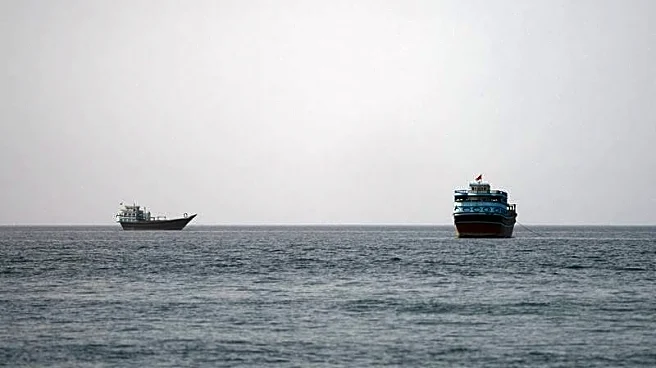
the bombing campaign around the Strait of Hormuz. The administration is grappling with how to proceed, as diplomatic efforts have stalled and military actions have not deterred Iran. Concerns over depleting military resources and the potential for a wider conflict are influencing decision-making, as gas prices rise and geopolitical tensions escalate.
Why It's Important?
The situation highlights the complexities of U.S. foreign policy under President Trump, with implications for military strategy, international relations, and economic stability. The administration's handling of the Iran conflict could affect U.S. deterrence capabilities and influence global perceptions of American power. The potential for increased military engagement raises concerns about resource allocation and the impact on regional allies, while economic factors such as rising gas prices could affect domestic and international markets.
What's Next?
The administration may need to explore alternative diplomatic solutions or adjust military strategies to address the challenges posed by Iran. The potential for further escalation remains, with implications for U.S. relations with key allies and adversaries. Monitoring developments in the Strait of Hormuz and assessing the impact on global oil markets will be crucial in shaping future policy decisions.