




What's Happening?
Researchers have discovered a new species of dinosaur in Thailand, named Nagatitan chaiyaphumensis, which is the largest ever found in Southeast Asia. This dinosaur, a member of the sauropod family, is estimated to have weighed around 27 tons and measured
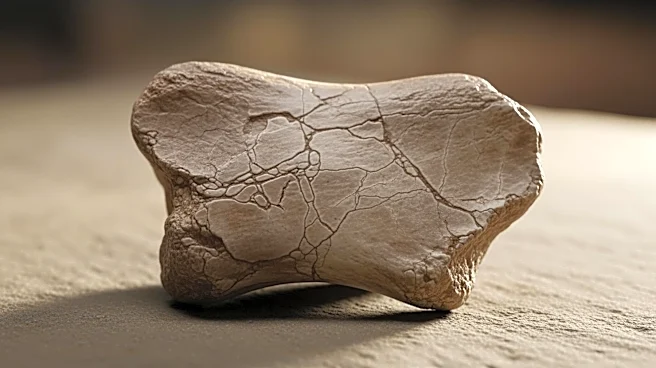
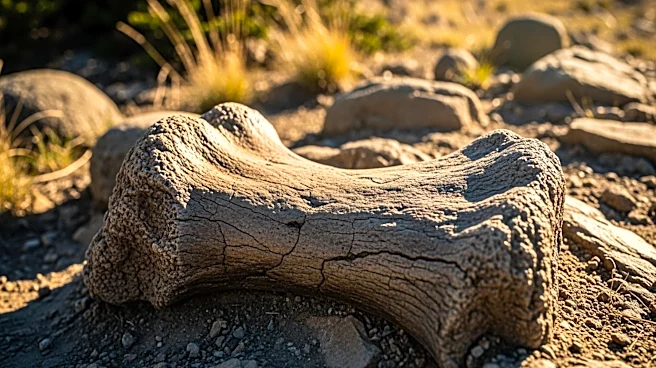
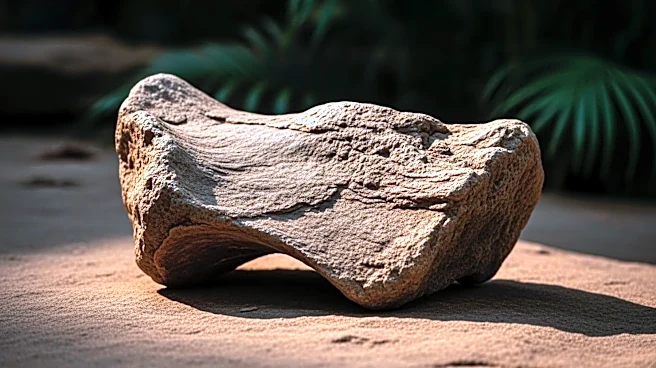
about 27 meters in length. The discovery was made from bones found at the edge of a pond in northeastern Thailand. The dinosaur lived during the Early Cretaceous period, between 100 and 120 million years ago. The research was led by a team from University College London, Mahasarakham University, Suranaree University of Technology, and Sirindhorn Museum in Thailand.
Why It's Important?
The discovery of Nagatitan chaiyaphumensis provides significant insights into the evolutionary trends and climatic conditions that allowed such gigantic dinosaurs to thrive. It highlights the rich paleontological potential of Southeast Asia, a region that has been less explored compared to other parts of the world. This finding could stimulate further paleontological research and international collaborations, enhancing our understanding of dinosaur evolution and the ecological dynamics of the Early Cretaceous period.
What's Next?
The research team plans to continue their work in Thailand, aiming to uncover more about the region's paleobiology. There is potential for discovering additional new species, as the area is rich in dinosaur fossils. The team is also focused on promoting paleontology in Thailand, which has only been actively studied for about 40 years. This discovery could help raise awareness and interest in the field, particularly among the younger generation of scientists.