





What's Happening?
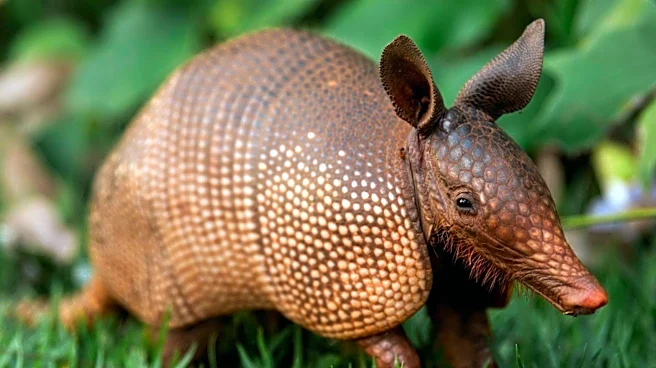
Florida has seen an increase in reported leprosy cases, with 17 cases confirmed as of mid-July, compared to 36 cases last year. The rise is attributed to increased awareness and diagnosis, as well as contact with armadillos, which carry the bacteria causing
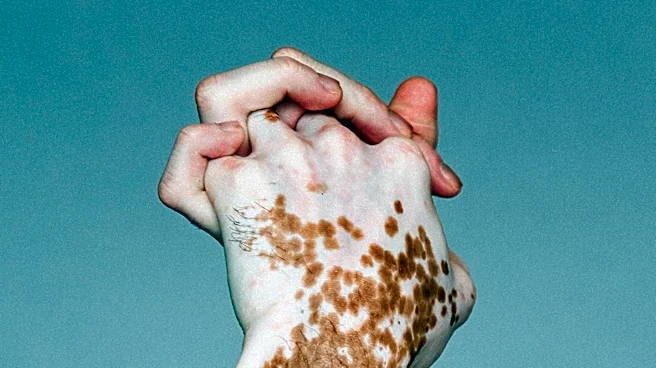
leprosy. Dr. Norman Beatty from the University of Florida notes that many cases have been misdiagnosed or undiagnosed for years. Leprosy, also known as Hansen's disease, primarily affects the skin and nerves and is curable with antibiotics.
Why It's Important?
The increase in leprosy cases highlights the need for public awareness and education about the disease and its transmission. While the disease is rare and most people are naturally immune, understanding the risks associated with armadillo contact is crucial for prevention. The situation also emphasizes the importance of accurate diagnosis and treatment to prevent long-term health complications.
What's Next?
Health officials may increase efforts to educate the public about leprosy and its transmission, particularly in areas where armadillos are common. Ongoing research and monitoring will be essential to track the disease's prevalence and ensure timely diagnosis and treatment. Public health campaigns may focus on reducing contact with armadillos and promoting awareness of leprosy symptoms.