
What's Happening?
Morocco has significantly reshaped geopolitical dynamics in North and West Africa through a strategic and military doctrine implemented over the past six years, particularly since the November 13, 2020, operation at the Guerguerat border crossing. This
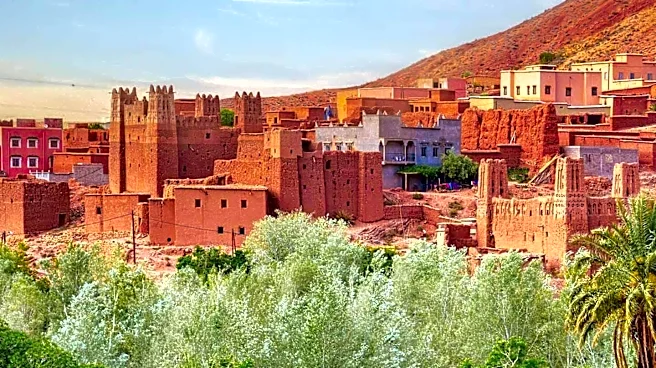
operation secured a vital commercial corridor linking European markets to West Africa, thwarting attempts by Polisario militias to provoke a military confrontation. Under King Mohammed VI's leadership, Morocco established clear rules of engagement to safeguard its national security and territorial integrity. This approach builds on a historical continuity of Moroccan statecraft, combining military firmness with strategic foresight. The country has also pivoted from crisis management to proactive regional integration through South-South cooperation and infrastructure projects like the Nigeria-Morocco Gas Pipeline. Diplomatically, Morocco has ended strategic ambiguity, making the Sahara issue a definitive benchmark for bilateral partnerships, as evidenced by growing consulate diplomacy in Laayoune and Dakhla.
Why It's Important?
Morocco's assertive diplomatic and military posture has significant implications for regional stability and economic integration in North and West Africa. By securing key trade routes and investing in infrastructure, Morocco is positioning its southern provinces as a continental logistics hub, which could boost trade and economic development across the region. The country's firm stance on the Sahara issue, now a litmus test for its international relations, has led to a re-evaluation of partnerships by other nations. This shift has been recognized at the United Nations, with Security Council Resolution 2797 (October 31, 2025) endorsing Morocco's 2007 Autonomy Plan as the sole credible framework for a political settlement. This development challenges existing regional power dynamics and could influence future diplomatic engagements and economic alliances, potentially benefiting Morocco's strategic interests and its partners while isolating adversaries.
What's Next?
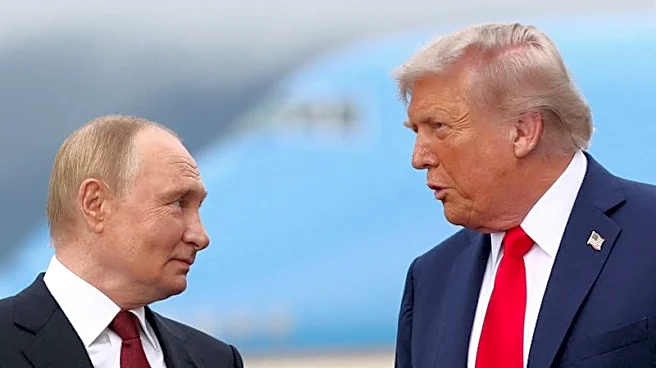
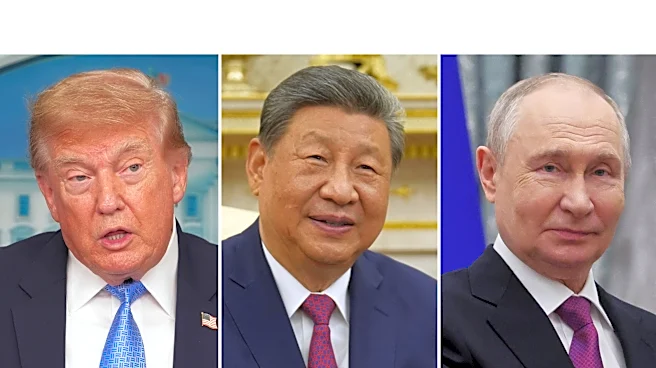
The diplomatic momentum generated by Morocco's strategy is expected to continue influencing international discussions, particularly within the United Nations. The recent Security Council deadlock on October 30, 2026, where Russia vetoed a US-drafted resolution supporting Morocco's Autonomy Plan and the US vetoed a Russian alternative, indicates ongoing great-power rivalries but also confirms that any future UN track must acknowledge Moroccan sovereignty. Morocco plans to further integrate the territories east of the Security Wall through structured infrastructure, road networks, and energy projects. This will solidify their economic expansion within the southern provinces. The Kingdom remains committed to regional peace through constructive dialogue and shared economic integration, suggesting continued efforts to foster cooperation while firmly defending its territorial integrity. Future developments will likely involve further diplomatic maneuvering and continued investment in regional connectivity projects.
Beyond the Headlines
The deeper implications of Morocco's strategy extend to the evolving nature of sovereignty and regional influence in Africa. The country's ability to combine military strength with diplomatic clarity and economic development initiatives presents a model for other nations seeking to assert their interests. The emphasis on South-South cooperation and infrastructure projects like the Nigeria-Morocco Gas Pipeline highlights a broader trend of African nations taking greater control of their economic destinies and fostering intra-continental trade. Ethically, Morocco's approach underscores the complexities of territorial disputes and the balance between national security and regional stability. The diplomatic shifts also reflect a changing global order where traditional alliances are being re-evaluated, and emerging powers are asserting their influence, potentially leading to long-term shifts in geopolitical alignments and economic partnerships across the African continent.