



What's Happening?
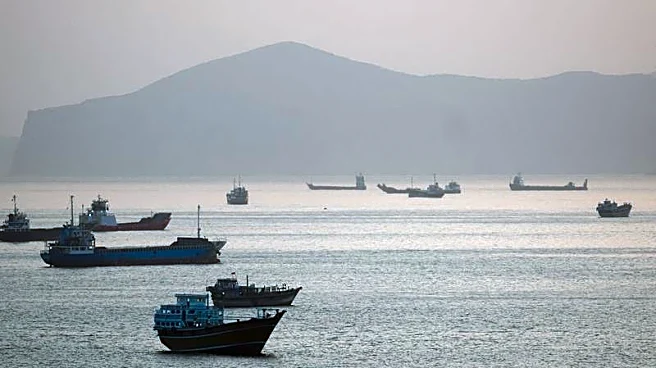
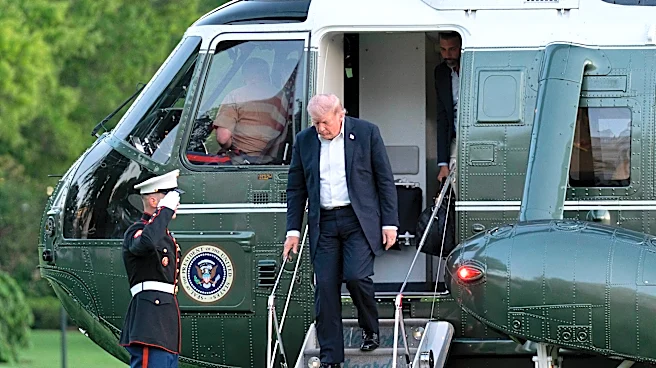
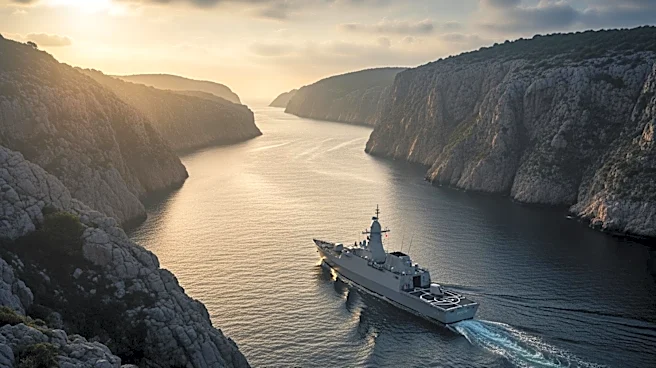
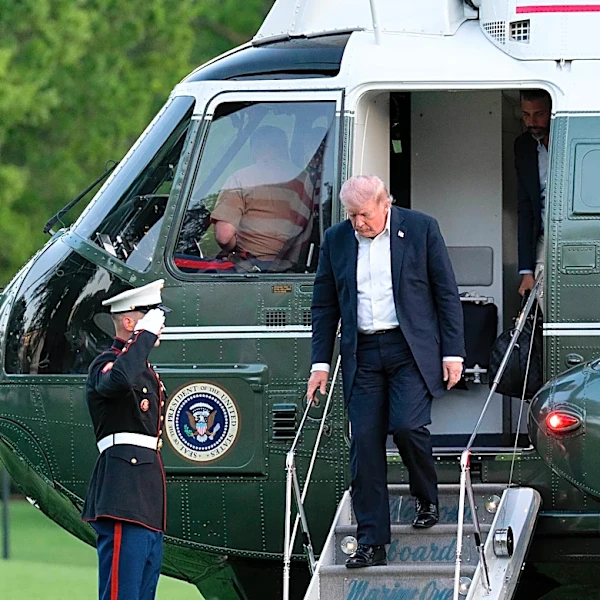
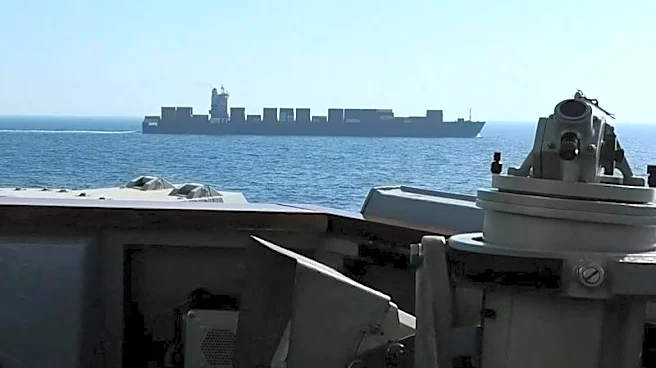
The United States is attempting to open the Strait of Hormuz to allow stranded commercial ships to sail out, amid tensions with Iran. The initiative, named 'Project Freedom,' was announced by President Trump and aims to assist neutral countries affected
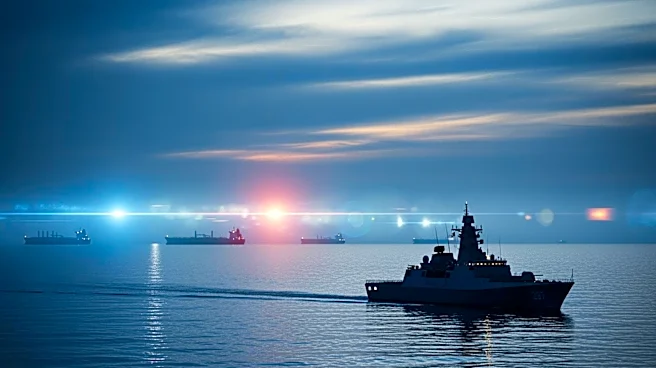
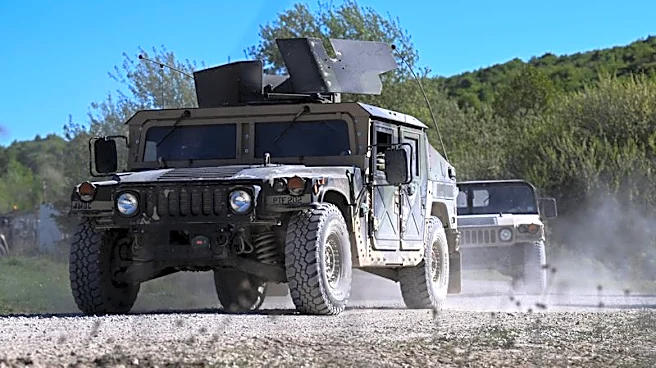
by the conflict. However, Iran has called this effort a violation of the ceasefire, which has been in place for three weeks. The U.S. military has deployed guided-missile destroyers, aircraft, and service members to support the operation. Despite these efforts, skepticism remains among shippers due to the lack of detailed information from Washington and the potential threat from Iranian forces.
Why It's Important?
The Strait of Hormuz is a critical waterway for global oil and gas supplies, and its closure has significant economic implications. The U.S. initiative to open the strait is crucial for alleviating the economic strain caused by the blockade, which has affected global markets and economies. The situation also impacts U.S. political dynamics, as the ongoing conflict and economic uncertainty could influence the upcoming midterm elections. The operation's success or failure could have far-reaching consequences for international relations and economic stability.
What's Next?
The U.S. military has warned that any interference with the operation will be met with force. The situation remains volatile, with Iran threatening to target foreign military forces in the strait. The U.S. has set up a defensive umbrella to protect ships, but concerns about Iranian mines and the overall security situation persist. The international community is closely monitoring the developments, and further diplomatic efforts may be necessary to resolve the tensions and ensure safe passage for commercial vessels.
Beyond the Headlines
The U.S. effort to open the Strait of Hormuz highlights the complex geopolitical dynamics in the region. The operation underscores the strategic importance of the strait and the potential for military conflict to disrupt global trade. The situation also raises ethical questions about the use of military force in international waters and the balance between humanitarian efforts and geopolitical interests. Long-term implications could include shifts in alliances and changes in global energy supply chains.