






What's Happening?
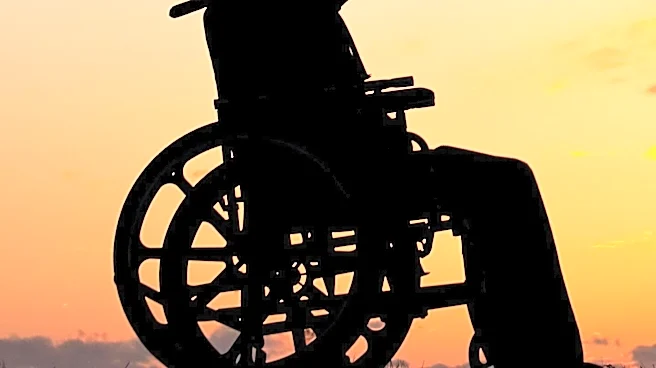
Two Azerbaijani veterans, Ruslan Suleymanov and Khayal Orujov, who sustained injuries during the Second Nagorno-Karabakh War, have had their disability status and associated benefits revoked. Despite suffering from serious health conditions, including
a traumatic brain injury and chest fracture for Suleymanov, their disability assessments by the Rehabilitation Centre for Persons with Disabilities under the Labour and Social Protection Ministry concluded that their current health conditions do not warrant disability status. The veterans claim they did not undergo detailed medical examinations during their assessment, with officials reportedly stating decisions were made by 'looking at your face' and referencing reconstruction efforts in Nagorno-Karabakh. This situation reflects broader concerns among war-disabled veterans regarding inadequate disability assessments and access to state support. Many veterans have protested outside the Labour and Social Protection Ministry, alleging that improper assessments prevent them from receiving sufficient social protection and benefits. The Young Veterans Public Union claims that this issue has led to 40 war-disabled veterans taking their own lives, though official state statistics on veteran suicides are not publicly available.
Why It's Important?
The revocation of disability benefits for Azerbaijani veterans highlights significant issues within the country's social support system for those injured in military service. This situation can lead to severe financial hardship and a decline in the quality of life for veterans who are still grappling with war-related health problems. The alleged lack of thorough medical examinations and the reported dismissive attitude of assessment officials raise questions about the fairness and transparency of the disability evaluation process. If veterans are denied rightful benefits, it could erode trust in government institutions and potentially lead to social unrest among the veteran community. The claim by the Young Veterans Public Union regarding a high number of suicides among war-disabled veterans, if accurate, points to a critical public health crisis and a failure to adequately support those who served the nation. This issue could also impact military morale and future recruitment, as potential service members might be deterred by the perceived lack of long-term support for injured personnel.
What's Next?
Ruslan Suleymanov plans to directly address President Ilham Aliyev during one of his visits to Kalbajar to voice his concerns about the injustices faced by veterans. This indicates a potential escalation of the issue to the highest levels of government. Veterans are likely to continue their protests outside the Labour and Social Protection Ministry, demanding fairer assessments and improved social protection. The Young Veterans Public Union and other advocacy groups may intensify their efforts to bring attention to the plight of war-disabled veterans and push for reforms in the disability assessment process and benefit distribution. The government may face increasing pressure to provide more transparent data on veteran welfare, including statistics on suicides, and to review its policies to ensure adequate support for those injured in conflict. The ongoing public discourse and potential legal challenges from affected veterans could prompt a re-evaluation of the current system and lead to policy changes aimed at better supporting war-disabled individuals.
Beyond the Headlines
The challenges faced by Azerbaijani veterans extend beyond immediate financial and medical support, touching upon deeper societal and ethical considerations. The alleged disregard for veterans' injuries during assessments, coupled with references to reconstruction efforts in Nagorno-Karabakh, suggests a potential prioritization of national development projects over the welfare of individual service members. This could reflect a broader societal narrative that emphasizes collective national achievements while potentially overlooking the personal sacrifices made to achieve them. The lack of transparent official data on veteran suicides and other welfare indicators points to a potential systemic issue in acknowledging and addressing the full human cost of conflict. Furthermore, the reported difficulties in obtaining housing, despite being on official lists, highlights potential inefficiencies or inequities in the allocation of resources for veterans. This situation raises ethical questions about a nation's responsibility to its service members post-conflict and the long-term psychological and social impacts of war on individuals and their families.