






What's Happening?
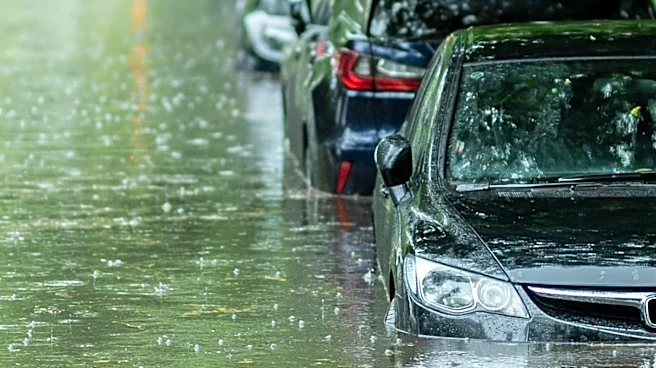
Severe flash floods in Texas have resulted in the deaths of two individuals and forced the rescue of hundreds in regions still recovering from last year's catastrophic floods. Governor Greg Abbott announced that over 200 people have been rescued by emergency
services using boats and helicopters. The National Weather Service has warned of continued rain, with rivers expected to reach historic levels. The floods, which occurred overnight, have led to significant disruptions, including road closures and mandatory evacuations. The Guadalupe River, a focal point of the flooding, rose dramatically, prompting urgent warnings for residents to seek higher ground.
Why It's Important?
The flooding in Texas underscores the ongoing challenges posed by extreme weather events, particularly in regions prone to such natural disasters. The situation highlights the importance of effective emergency response systems and the need for robust infrastructure to withstand severe weather. The economic impact of the floods is significant, affecting local communities, businesses, and the state's recovery efforts. The recurrence of such events raises questions about climate change and the need for sustainable solutions to mitigate future risks. The state's handling of the crisis will be closely scrutinized, with potential implications for future policy and funding decisions.
What's Next?
As the region continues to experience heavy rainfall, authorities are focused on ensuring the safety of residents and minimizing further damage. The floods may prompt a reevaluation of flood management strategies and infrastructure improvements to enhance resilience. The state's response and recovery efforts will be critical in determining the long-term impact of the floods on affected communities. Discussions on climate adaptation and disaster preparedness are likely to gain momentum, with potential policy changes aimed at reducing vulnerability to future extreme weather events.