






What's Happening?
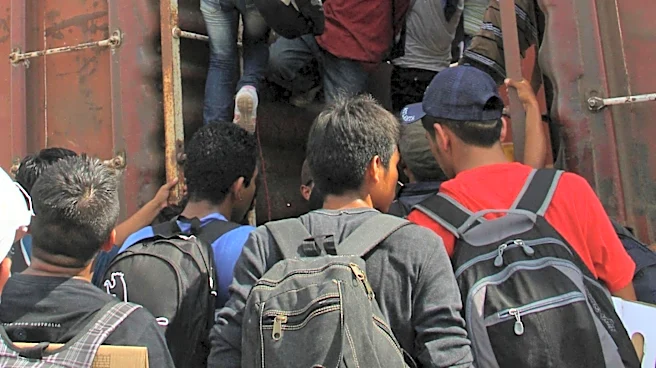
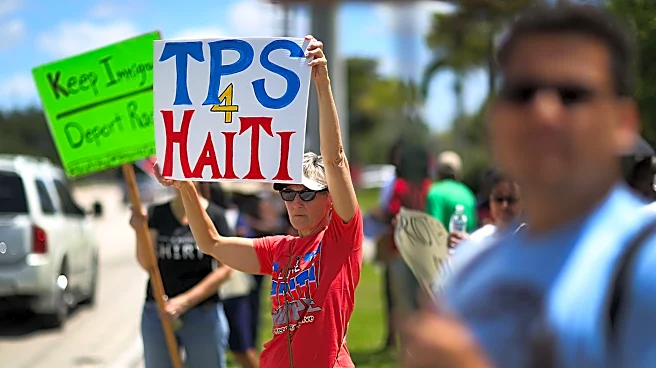
A recent analysis highlights the complex relationship between Latino communities in the U.S. and immigration policies. Despite being frequent targets of nativism, many Latinos have historically supported and even enforced restrictive immigration measures.
This pattern is not new; it dates back to the 1950s with Latino leaders backing deportation campaigns like Operation Wetback. The article notes that Latinos have often joined immigration enforcement agencies such as the Border Patrol and ICE in significant numbers. This support is attributed to various factors, including labor competition fears and a desire for social standing. The piece also discusses the ambivalence within Latino communities regarding policies like California's Proposition 187 in the 1990s, which sought to deny social services to immigrants. Despite a general trend towards comprehensive reform, significant minorities within the Latino population have supported stricter enforcement measures.
Why It's Important?
The involvement of Latinos in supporting and enforcing restrictive immigration policies challenges common assumptions about their political leanings. This dynamic has significant implications for U.S. immigration policy and political discourse. It highlights the diversity of opinions within Latino communities, which are often perceived as monolithic in their opposition to such policies. Understanding this complexity is crucial for policymakers and political strategists, as it affects electoral outcomes and the formulation of immigration laws. The historical context provided by the article underscores the need for nuanced approaches to immigration reform that consider the varied perspectives within affected communities.
What's Next?
As the U.S. continues to grapple with immigration reform, the role of Latino communities in shaping these policies will be pivotal. Political leaders may need to engage more deeply with Latino constituents to understand their diverse views on immigration. This could lead to more inclusive and effective policy solutions that address the concerns of both immigrant and native-born populations. Additionally, the evolving political landscape, with increasing Latino participation in right-wing movements, suggests potential shifts in future electoral dynamics and policy priorities.
Beyond the Headlines
The article sheds light on the broader cultural and social dynamics influencing Latino support for restrictionist policies. It suggests that issues of identity, belonging, and social status play significant roles in shaping political attitudes. This underscores the importance of considering cultural and historical factors when analyzing political behavior. The discussion also raises questions about the role of race and ethnicity in American politics, particularly how these identities intersect with broader ideological movements.