What's Happening?
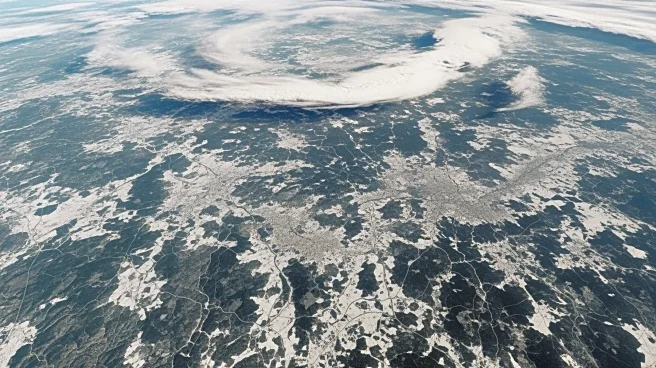
Israel is bracing for a significant weather event starting Monday night, with heavy rainfall and strong winds expected to affect the north and center of the country. The Israel Meteorological Service has
issued warnings for potential flash floods, particularly in the Judean Desert and Dead Sea region, due to unusually high amounts of rain crossing east of the watershed. This marks the eighth major flooding event in the area within two months. The storm is anticipated to bring between 50 and 80 millimeters of rain, with wind gusts reaching up to 110 kilometers per hour. Localized flooding is also possible in the Jordan Valley, Jerusalem Hills, Samaria, and the Lower Galilee. The weather system is expected to cause disruptions, including potential damage from falling trees and infrastructure failures, as well as flight delays on Tuesday morning.
Why It's Important?
The anticipated severe weather in Israel highlights the increasing frequency and intensity of extreme weather events, which can have significant impacts on infrastructure, public safety, and the economy. The repeated flooding events in the Judean Desert and Dead Sea region underscore the vulnerability of these areas to climate change-induced weather patterns. The potential for infrastructure damage and travel disruptions could affect local communities and businesses, emphasizing the need for improved disaster preparedness and resilient infrastructure. Additionally, the situation serves as a reminder of the broader challenges posed by climate change, necessitating coordinated efforts to mitigate its effects and adapt to new environmental realities.
What's Next?
As the storm approaches, authorities in Israel are likely to implement emergency measures to mitigate the impact of the severe weather. This may include issuing evacuation orders for vulnerable areas, deploying emergency response teams, and coordinating with local governments to ensure public safety. In the aftermath of the storm, there may be assessments of damage to infrastructure and discussions on enhancing flood defenses and climate resilience. The frequency of such events could prompt policymakers to prioritize investments in sustainable infrastructure and climate adaptation strategies to better protect communities in the future.